
Shockwave Therapy in Eltham, South East London
If you've been putting up with pain that just doesn't seem to be going anywhere, you'll know how frustrating it can be.
Maybe your heel hurts every time you get out of bed. Your Achilles is stopping you running. Your elbow complains whenever you lift something. Or perhaps you've simply reached the point where you've tried resting it, stretching it and hoping it'll disappear – and it hasn't.
At Eltham Osteopathy Clinic, we offer radial shockwave therapy for a range of persistent tendon and musculoskeletal problems.
Shockwave therapy is a non-invasive treatment that uses pressure waves to stimulate the body's natural healing response. It can be particularly useful for certain problems that have been stubbornly hanging around or haven't responded as expected to other approaches.
And while the name might sound rather high-tech, shockwave therapy isn't a new or fringe treatment. The technology has been used in medicine for decades, and extracorporeal shockwave therapy (ESWT) is an established treatment within musculoskeletal healthcare, with NICE guidance covering its use for a number of specific conditions.
Could shockwave therapy help you?
Radial shockwave therapy is commonly used for persistent tendon and musculoskeletal problems, including:
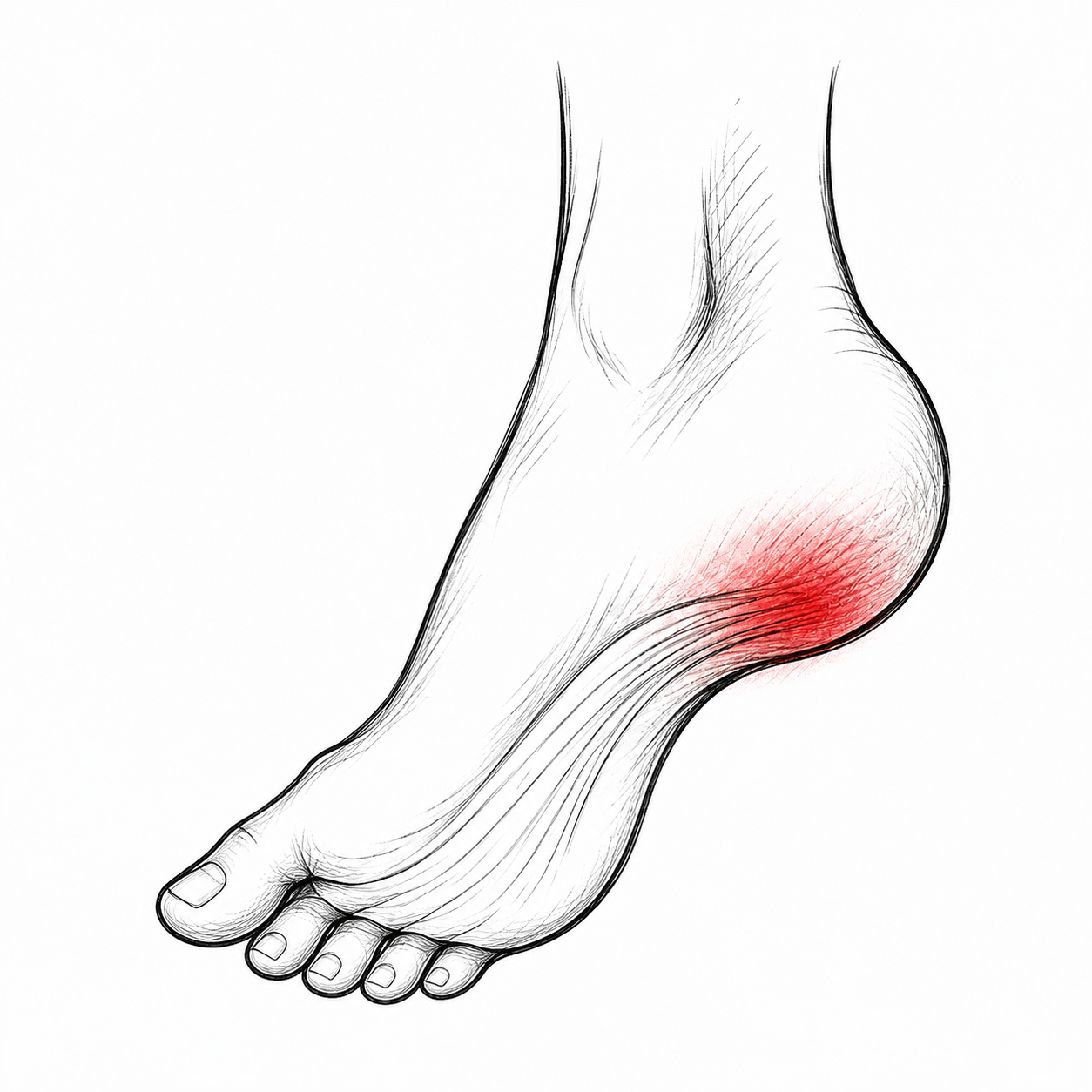
Plantar fasciitis & persistent heel pain
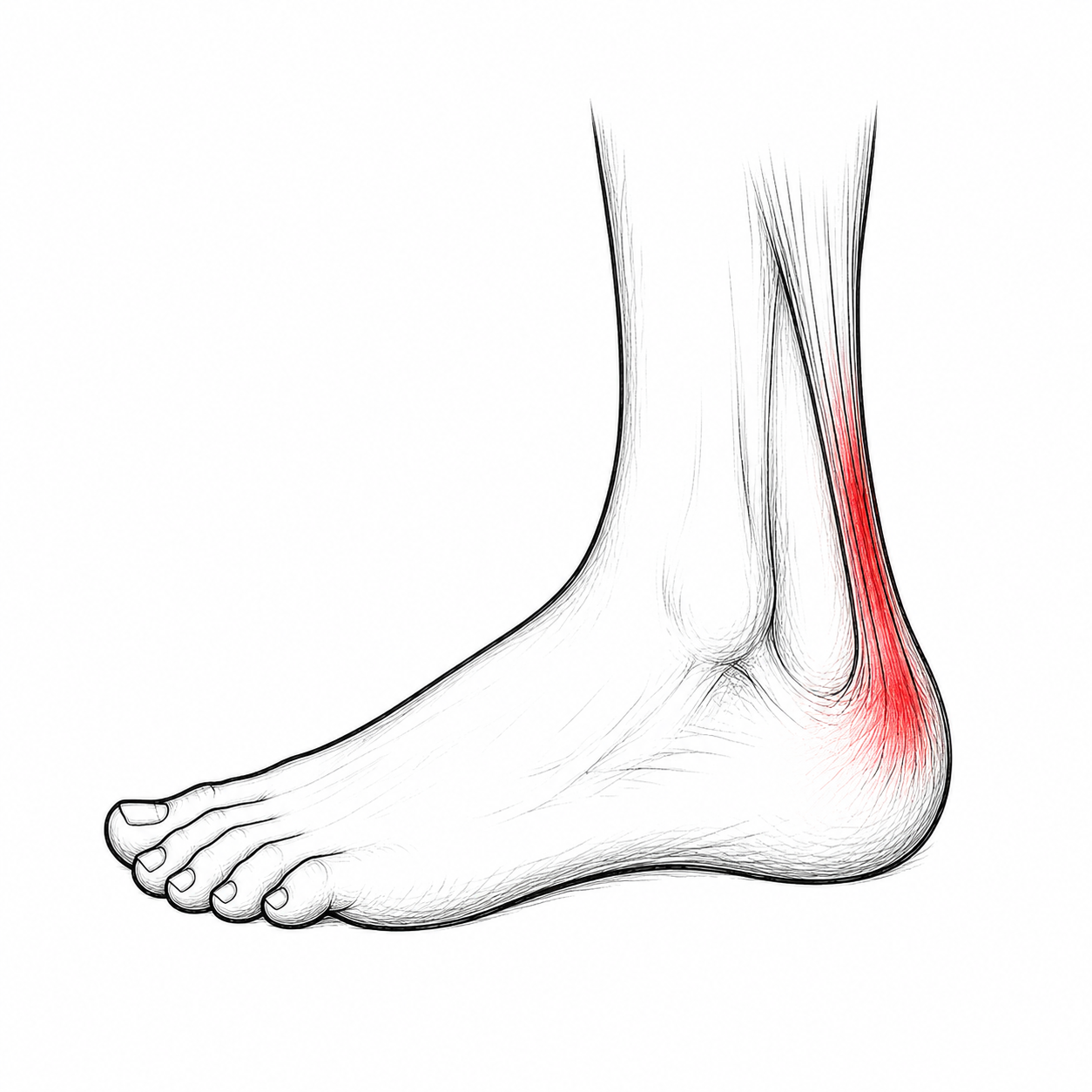
Achilles
tendinopathy
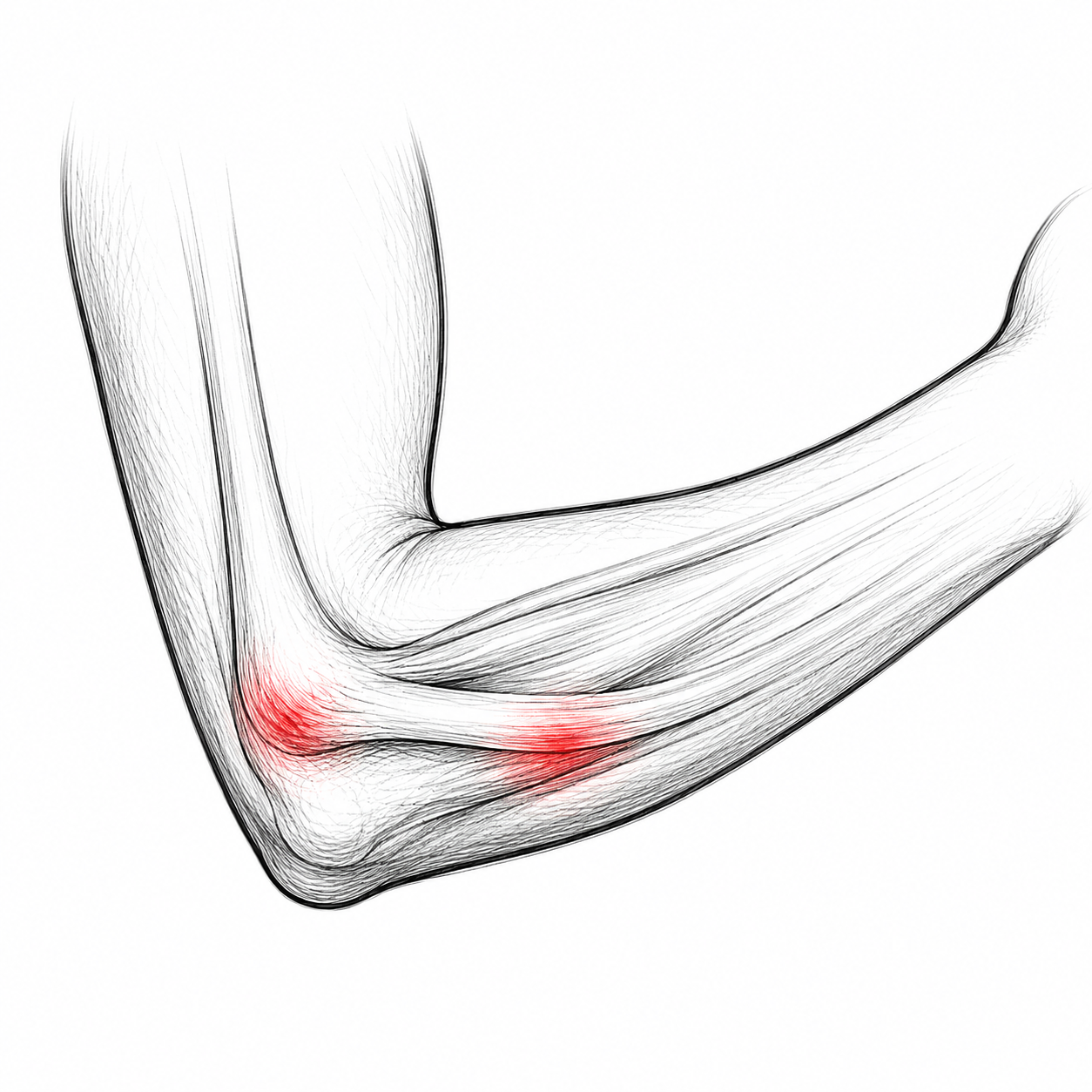
Tennis elbow & golfer's elbow
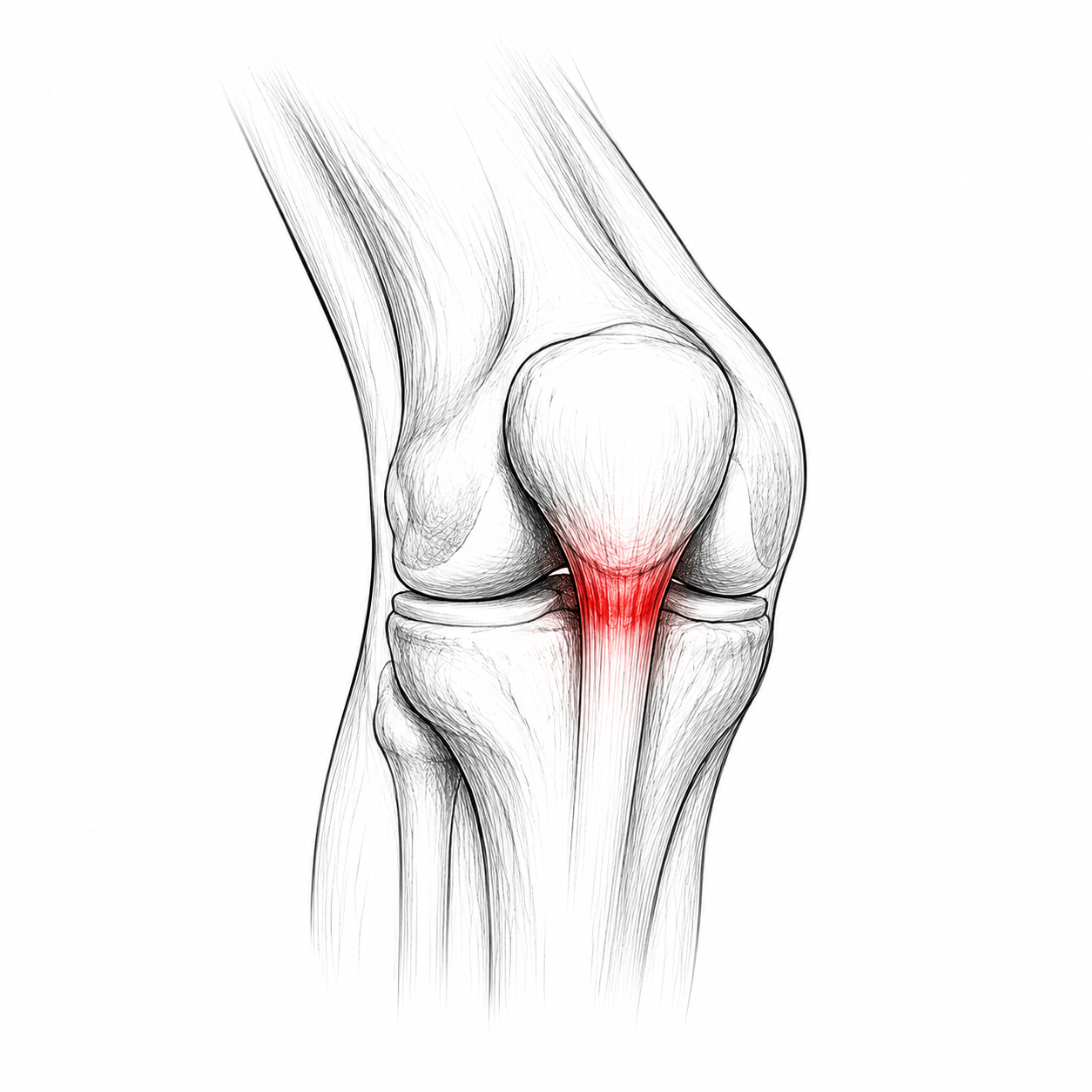
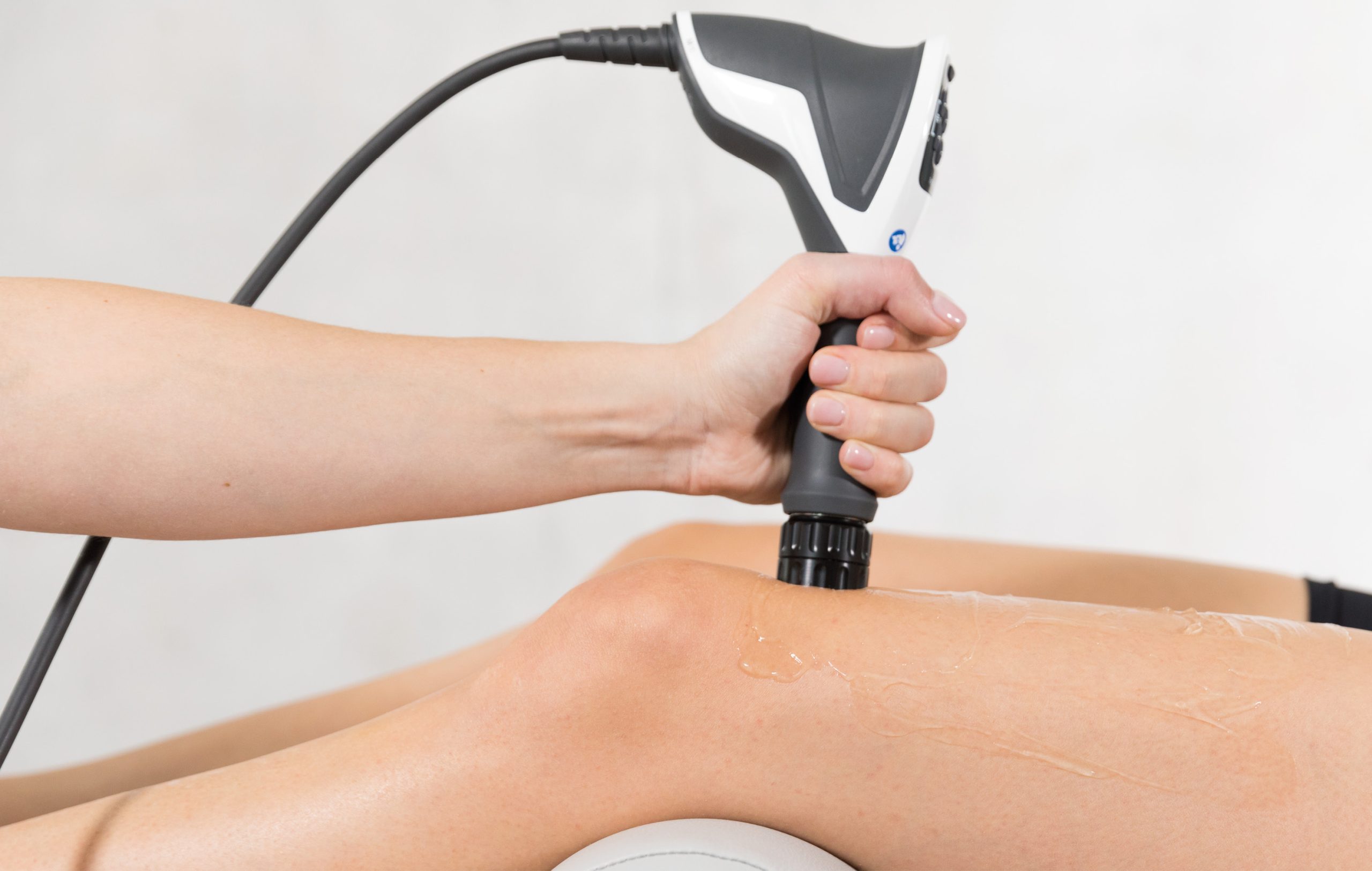
Patellar tendinopathy (jumper's knee)
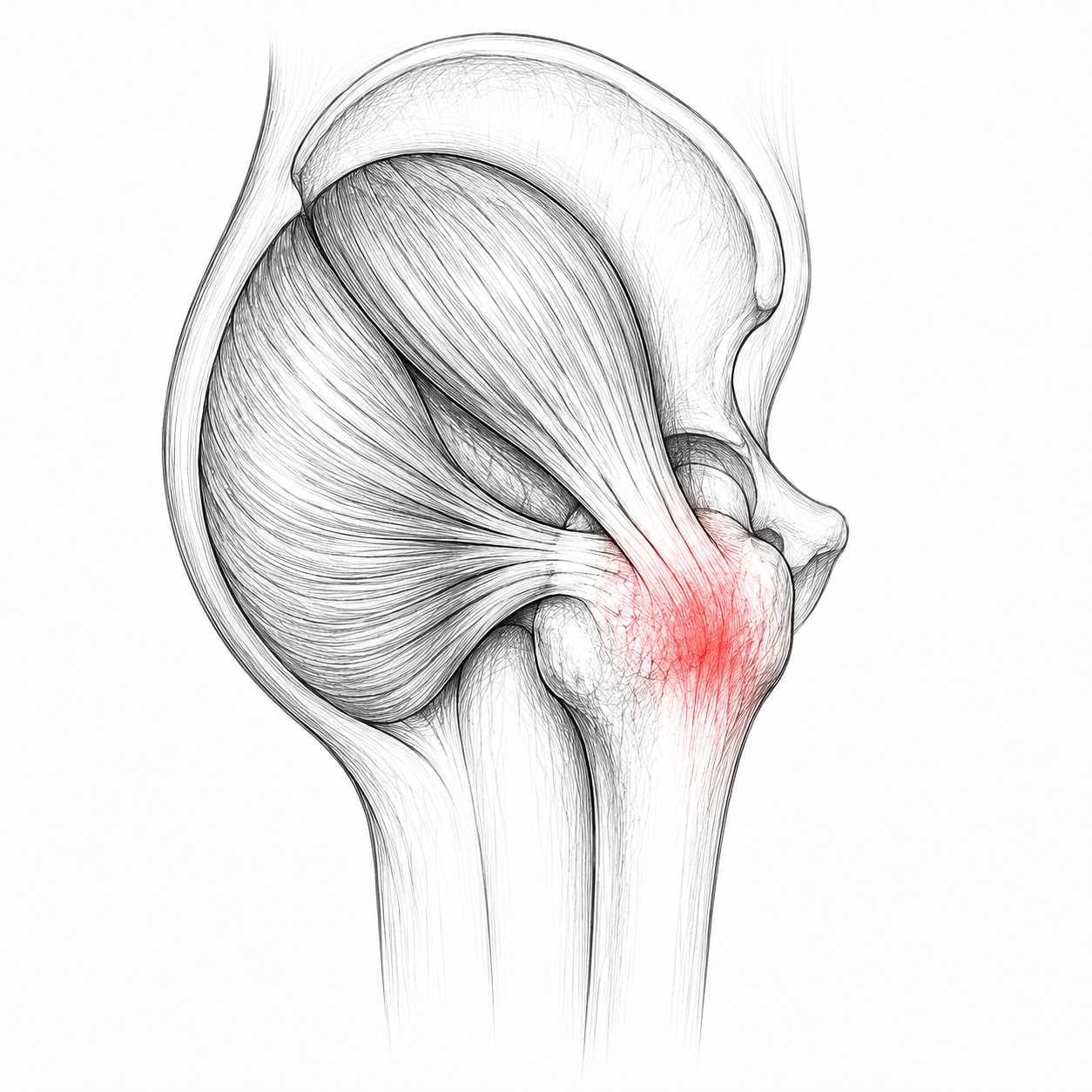
Gluteal & greater trochanteric tendinopathy
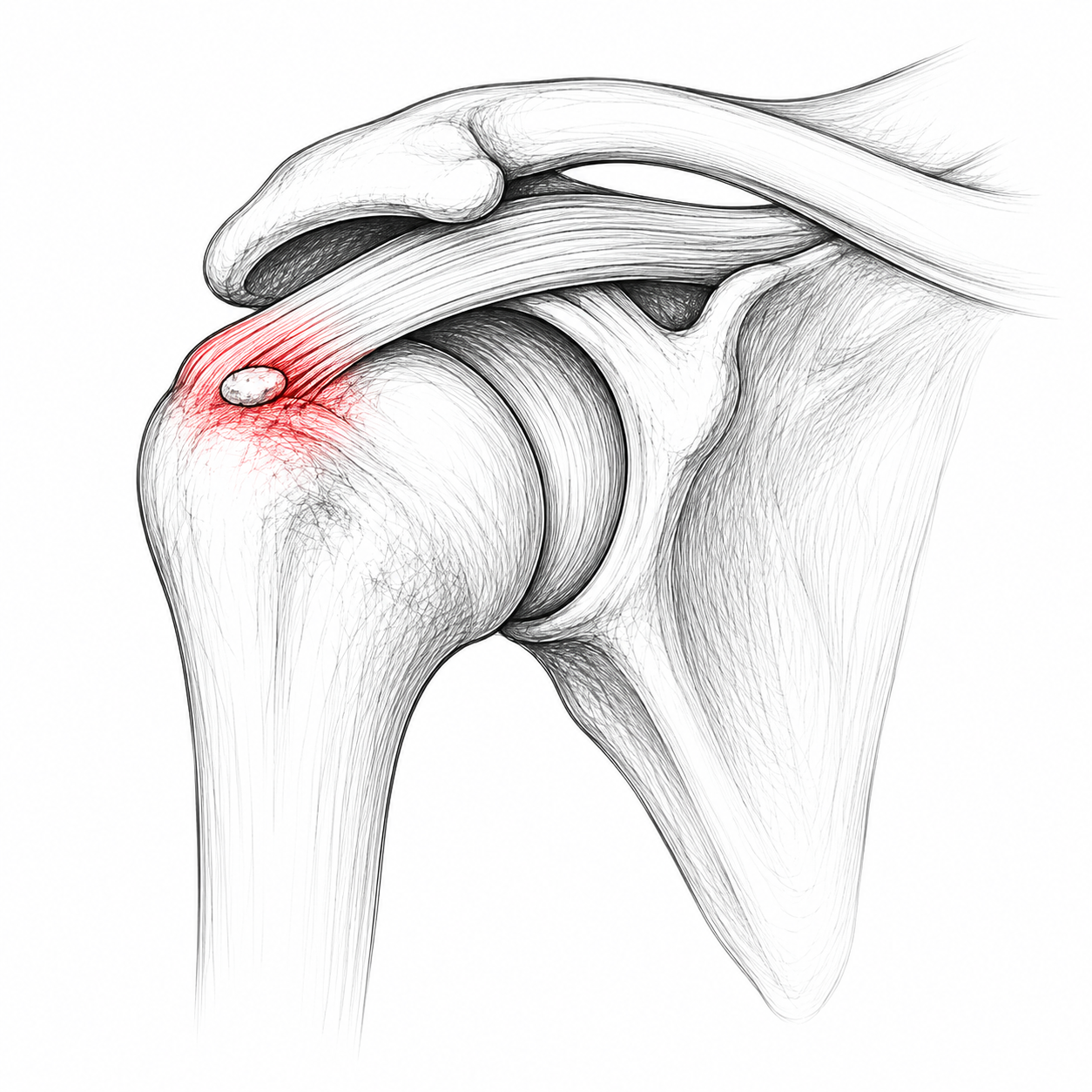
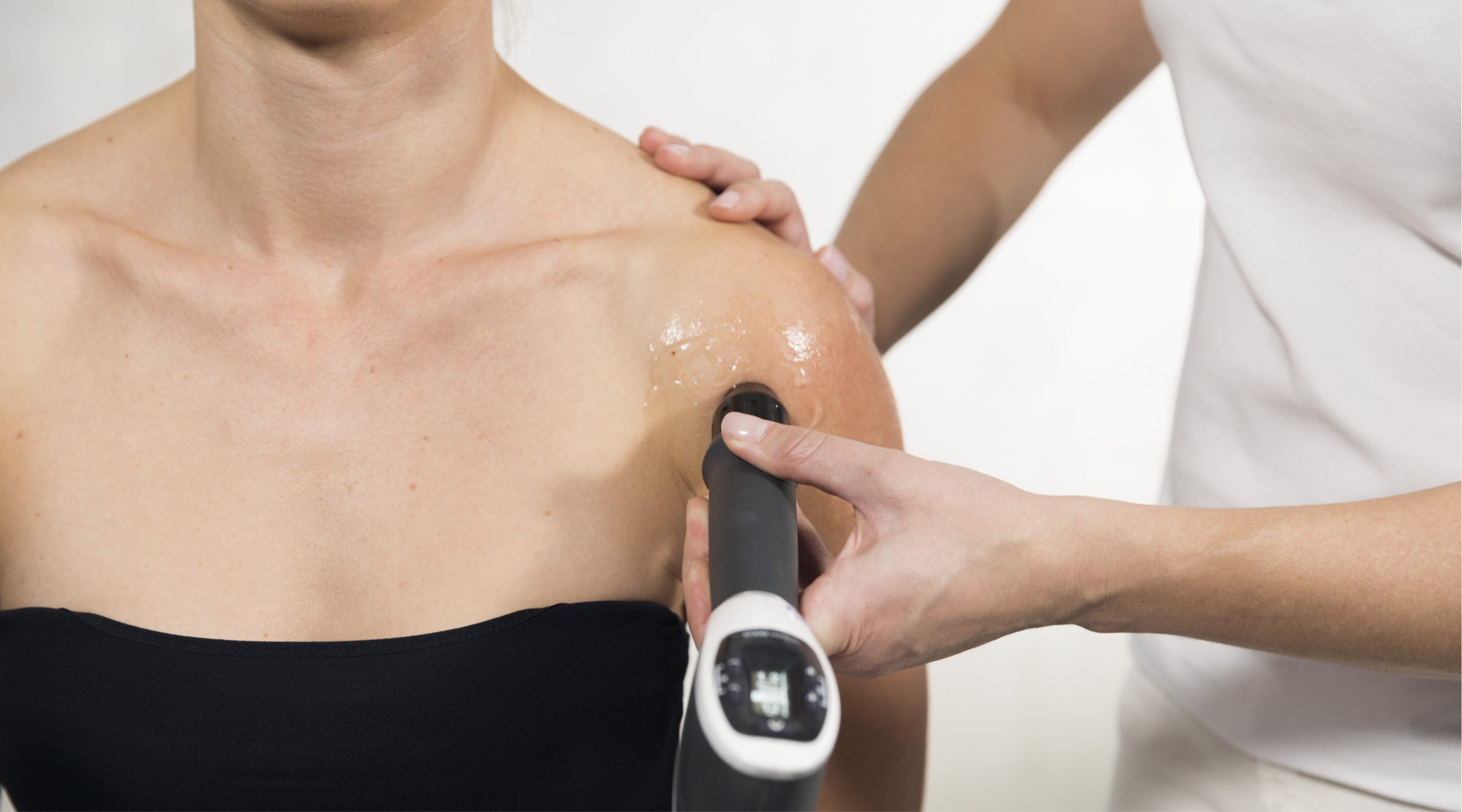
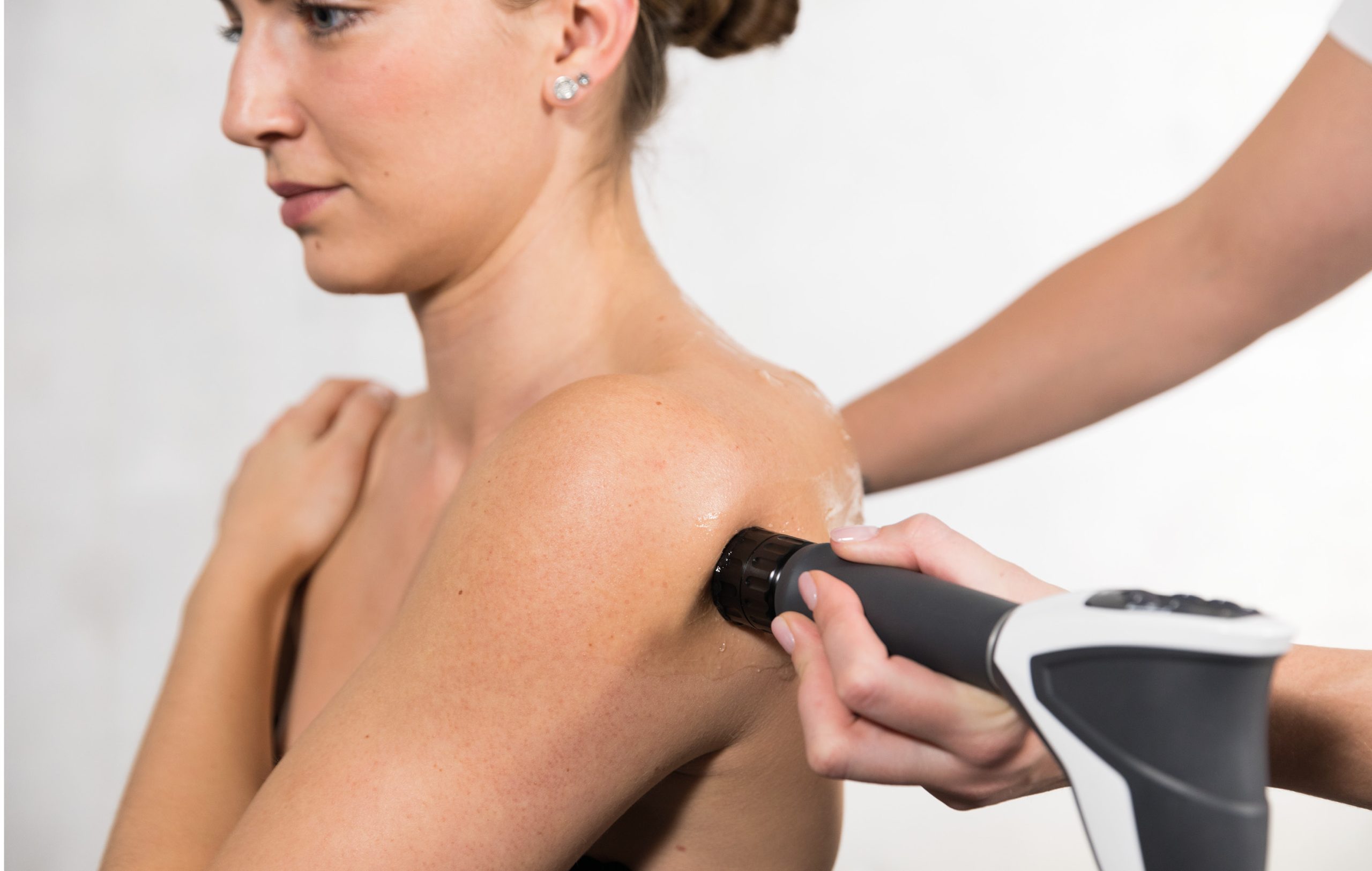
Calcific shoulder tendinopathy
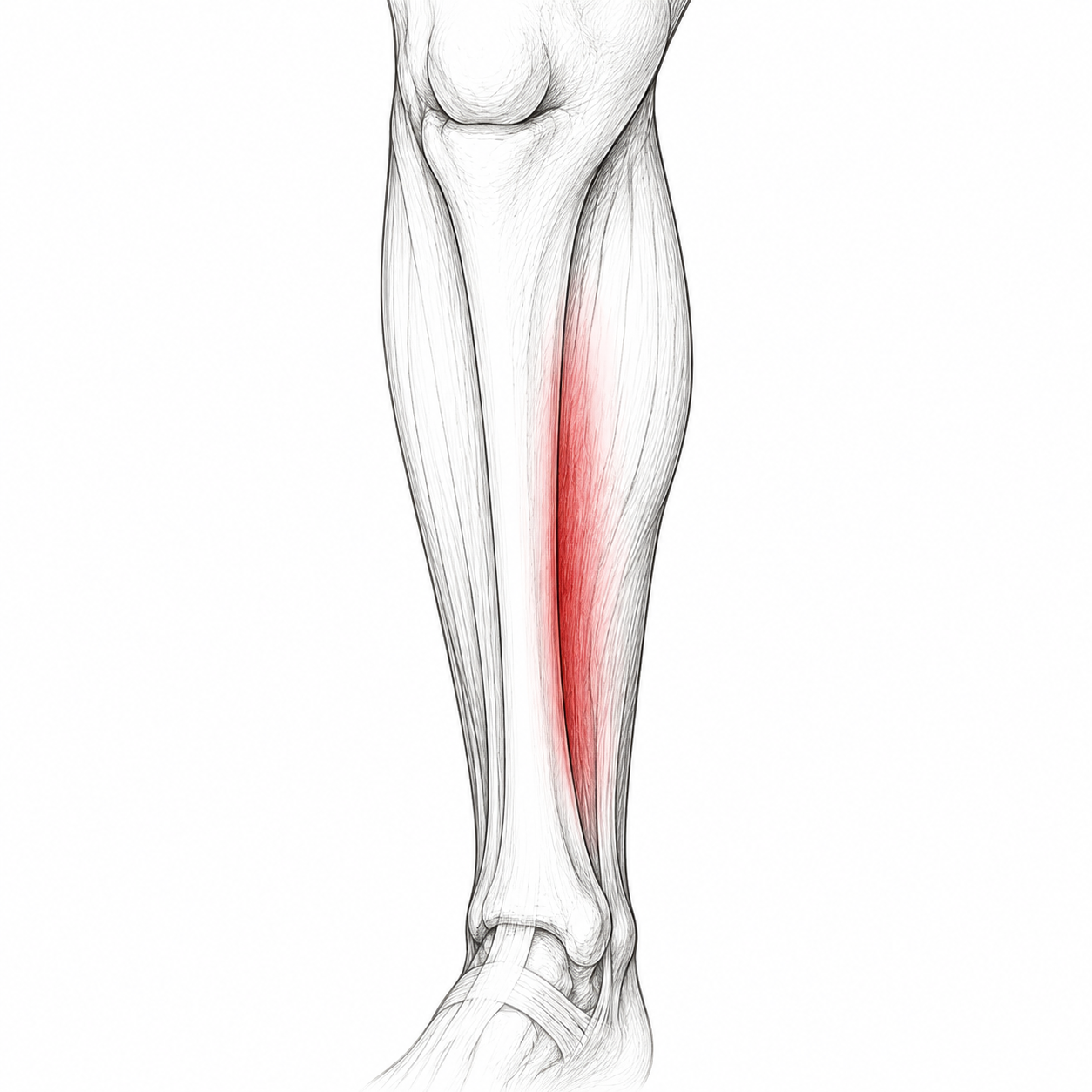
Shin pain & medial tibial stress syndrome
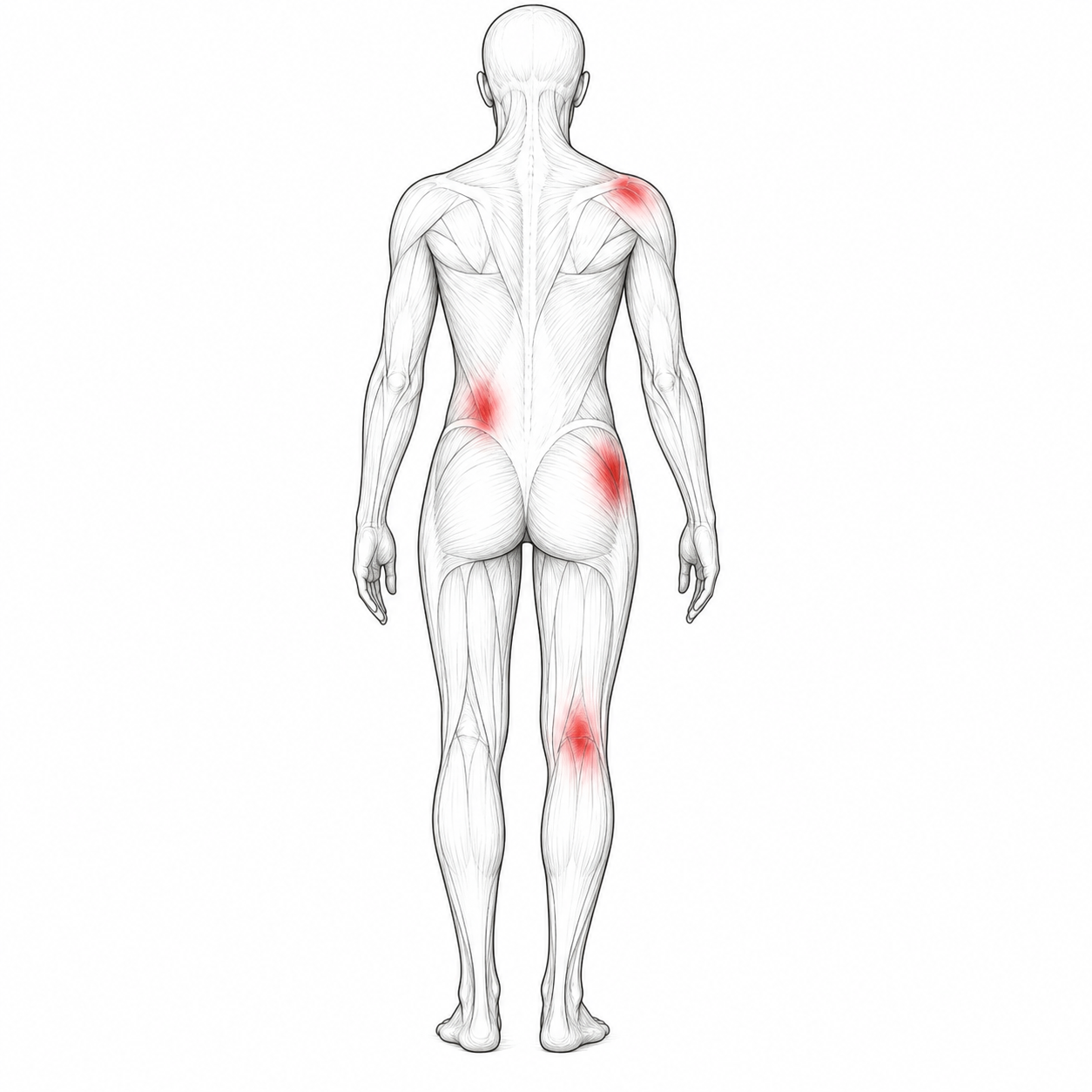
Other persistent tendon & musculoskeletal pain
Don't worry if you don't know exactly what's causing your pain – most people don't arrive with a diagnosis neatly worked out. That's our job.
We'll listen to what's been happening, assess the problem and talk you through the treatment options that may be appropriate.
How does radial shockwave therapy work?
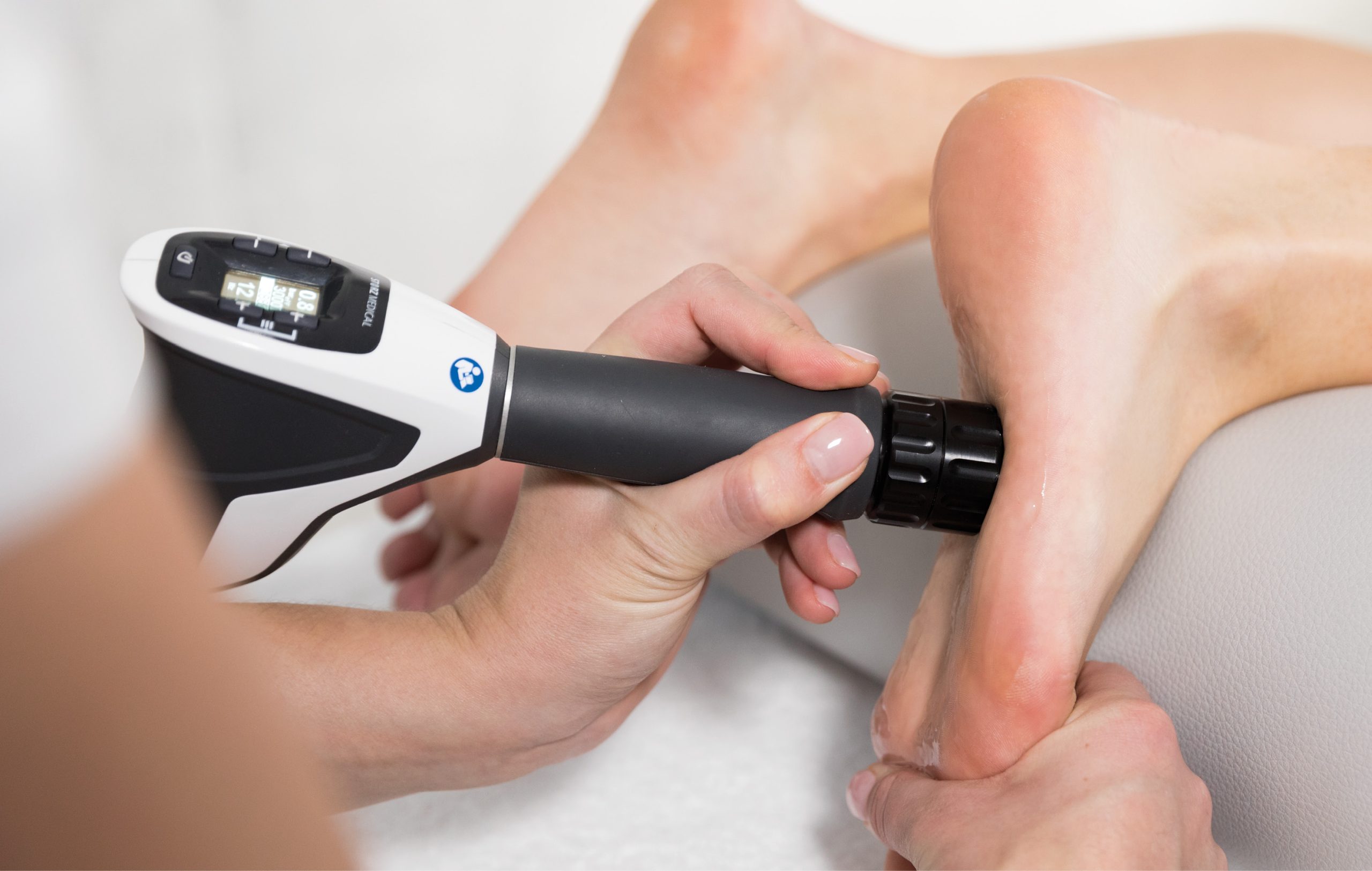
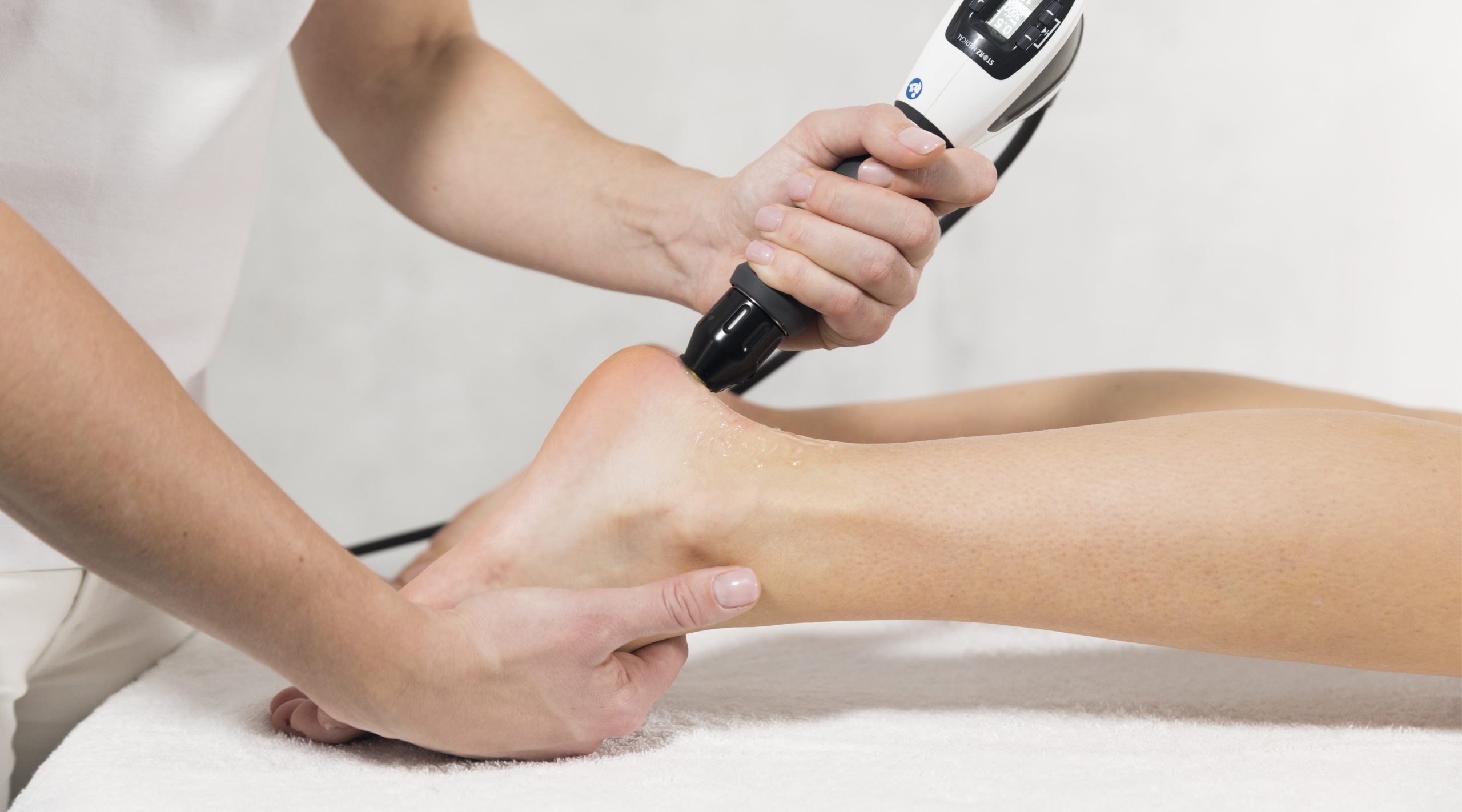
Radial shockwave therapy uses a handheld device to send pressure waves into the area being treated. These waves spread through the tissue, creating a controlled mechanical stimulus that can encourage biological processes associated with healing and recovery.
It's particularly suited to treating relatively superficial tendons, muscles and connective tissues.
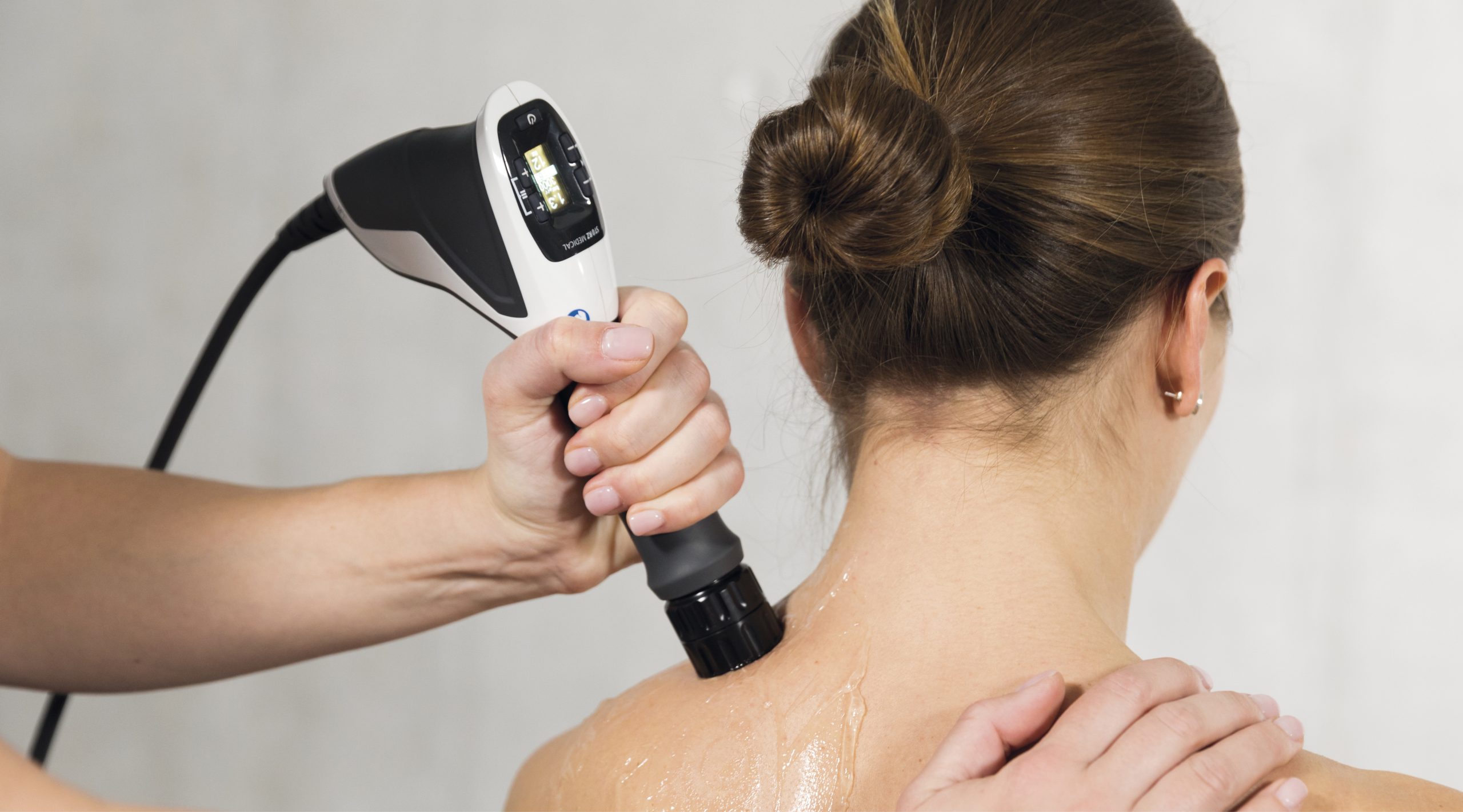
Shockwave isn't a magic wand, and it isn't the answer to every persistent ache or injury. It's one of the treatment options we can use when we think it could genuinely add something to your recovery.
Want to understand the treatment in a little more detail? Read our complete guide to how shockwave therapy works.
1. We listen
First, tell us what's going on. We'll want to know where it hurts, how long it's been bothering you, what makes it better or worse and what it's stopping you from doing.
2. We assess
We'll carry out an appropriate physical assessment to help us understand what's causing your symptoms.
And that's important. A sore heel isn't automatically plantar fasciitis, just as pain around your elbow isn't necessarily tennis elbow.
3. We make a plan
Once we have a clearer picture, we'll explain what we've found and what we'd recommend.
If shockwave therapy is appropriate, it can form part of your treatment plan alongside other treatment, advice, exercise or rehabilitation where needed.
The goal isn't simply to treat a sore spot. It's to help you get back to doing more of what you want to do.
Shockwave therapy: the things you'll probably want to know
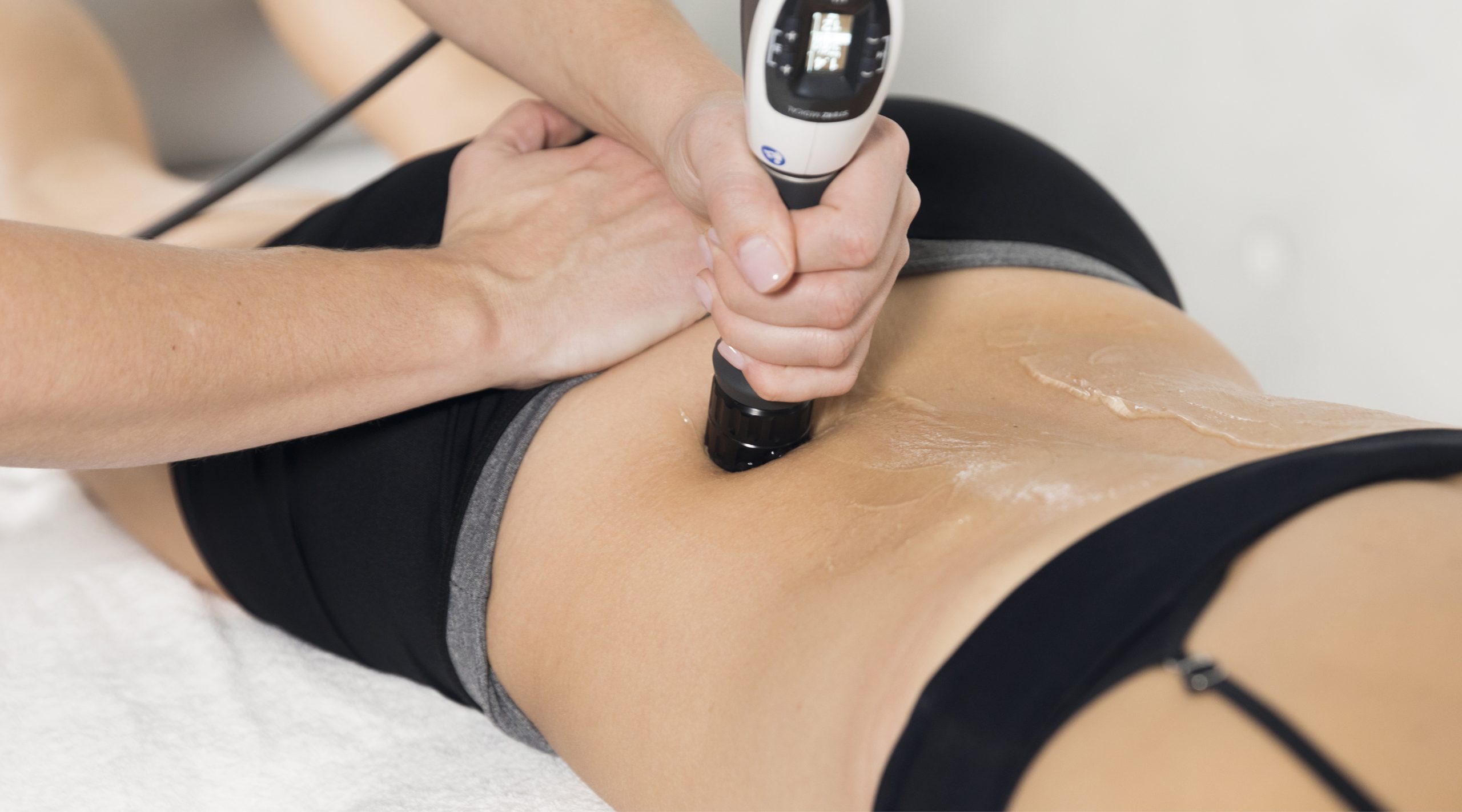
Does shockwave therapy hurt?
We won't pretend you can't feel it. Shockwave usually feels like a rapid tapping or pulsing against the area being treated, and it can become uncomfortable when we reach a particularly sensitive spot. The intensity can be adjusted, though, and we'll check in with you throughout. This isn't a test of how good you are at gritting your teeth.
How many sessions will I need?
Most people will need a course of around 3 to 6 treatments, although this can vary depending on the problem we're treating and how you respond. We'll talk you through what we'd recommend following your assessment.
How long does treatment take?
The shockwave treatment itself usually takes around 10 to 15 minutes. Your appointment may also include assessment, advice, rehabilitation or other appropriate treatment depending on your individual treatment plan.
How might I feel afterwards?
The area may feel a little tender or achy afterwards. Some people also experience temporary redness, mild swelling or bruising. We'll let you know what you can expect and give you advice before you leave.
Can I exercise after shockwave therapy?
Possibly – and for many tendon problems, appropriate exercise and rehabilitation are an important part of getting better. Whether you need to modify your usual activities will depend on what we're treating. We'll give you advice based on your particular problem rather than handing you a generic list of dos and don'ts.
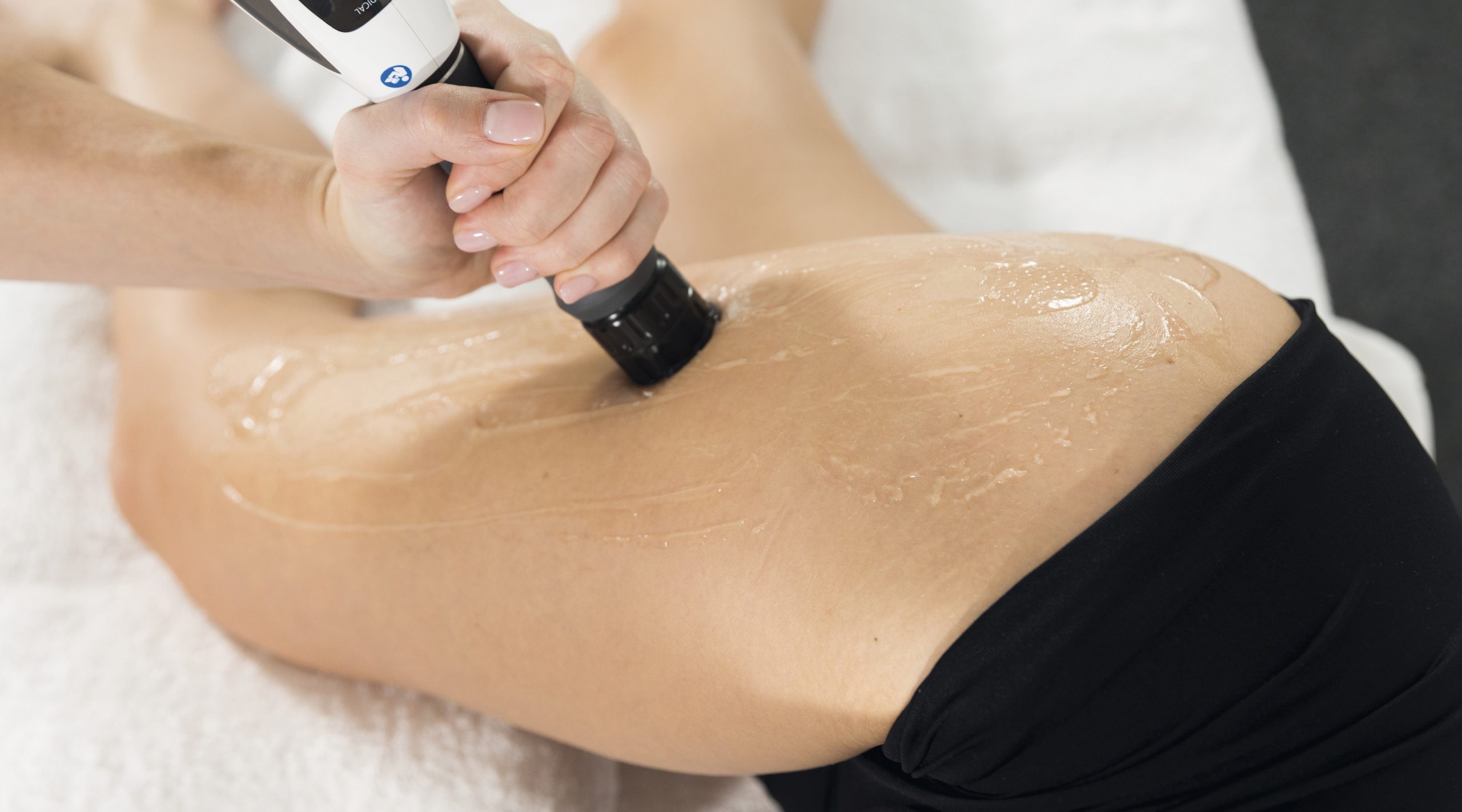
Is shockwave therapy suitable for everyone?
No. There are certain health conditions and circumstances where shockwave treatment may not be appropriate. We'll take your medical history into account before recommending treatment and discuss other options with you if shockwave isn't suitable.
Had enough of that stubborn pain?
If something has been bothering you for weeks or months and is getting in the way of everyday life, exercise or the things you enjoy, come and talk to us.
Book an appointment at Eltham Osteopathy Clinic and let's find out what's going on – and what we can do to help.
At Eltham Osteopathy Clinic, we're always looking at how advances in healthcare can help us provide better options for our patients. That means investing in modern equipment and evidence-informed treatment techniques, including radial shockwave therapy, rather than relying on the same approach for every problem.
But new technology is only useful when it's used for the right reasons.
We'll still start by listening, assessing what's going on and understanding what you're trying to get back to. From there, we can draw on the treatment techniques and technology available to us to build an approach around you.
Eltham Osteopathy Clinic provides radial shockwave therapy from our clinic in Eltham, welcoming patients from Mottingham, Kidbrooke, Blackheath and across the surrounding areas of South East London.
Frequently asked questions
Do I need a referral for shockwave therapy?
No. You can book directly with Eltham Osteopathy Clinic without a referral.
Can shockwave therapy help plantar fasciitis?
Radial shockwave therapy is commonly used for persistent plantar fasciitis and heel pain. Whether it's appropriate for your particular heel pain will depend on what's causing your symptoms, which is why we'll assess the problem first.
Is shockwave therapy the same as osteopathy?
No. Shockwave is one treatment technique that may be used as part of your care.
Osteopathy looks more broadly at your symptoms, movement and the factors that may be contributing to your problem. If shockwave could be useful, we can incorporate it into an appropriate treatment and rehabilitation plan.
How do I know if shockwave therapy is right for me?
You don't need to work that out before you come and see us.
If you've been dealing with pain or an injury that isn't improving as you'd hoped, start with an assessment. We'll help you understand what's causing the problem and which treatment options are appropriate.
How much does shockwave therapy cost?
We believe you should know what your care will cost before you book it. You'll find our current appointment options and prices on our online booking page, so you can check the cost before making an appointment – with no surprises when you arrive.
Let’s Talk! Get a Free Telephone Consultation!
Have questions? Get expert advice at no cost—schedule your free call today!