If you've been putting up with a stubborn tendon problem or pain that just doesn't seem to be going anywhere, there's a good chance you've come across shockwave therapy while looking for answers. And we'll admit it: “shockwave therapy” sounds rather more dramatic than it actually is.
There are no electric shocks involved, and you won't be plugged into anything. Shockwave therapy – or extracorporeal shockwave therapy (ESWT), to give it its full medical name – is a non-invasive treatment that uses acoustic or pressure waves to stimulate a response within injured or painful tissues.
It's particularly associated with persistent tendon problems and other musculoskeletal conditions that haven't settled as expected. So, what exactly is happening during treatment? What does it feel like? And perhaps most importantly, could it actually help with that Achilles, heel, knee or elbow that's been bothering you? Let's take a closer look.
What actually is shockwave therapy?
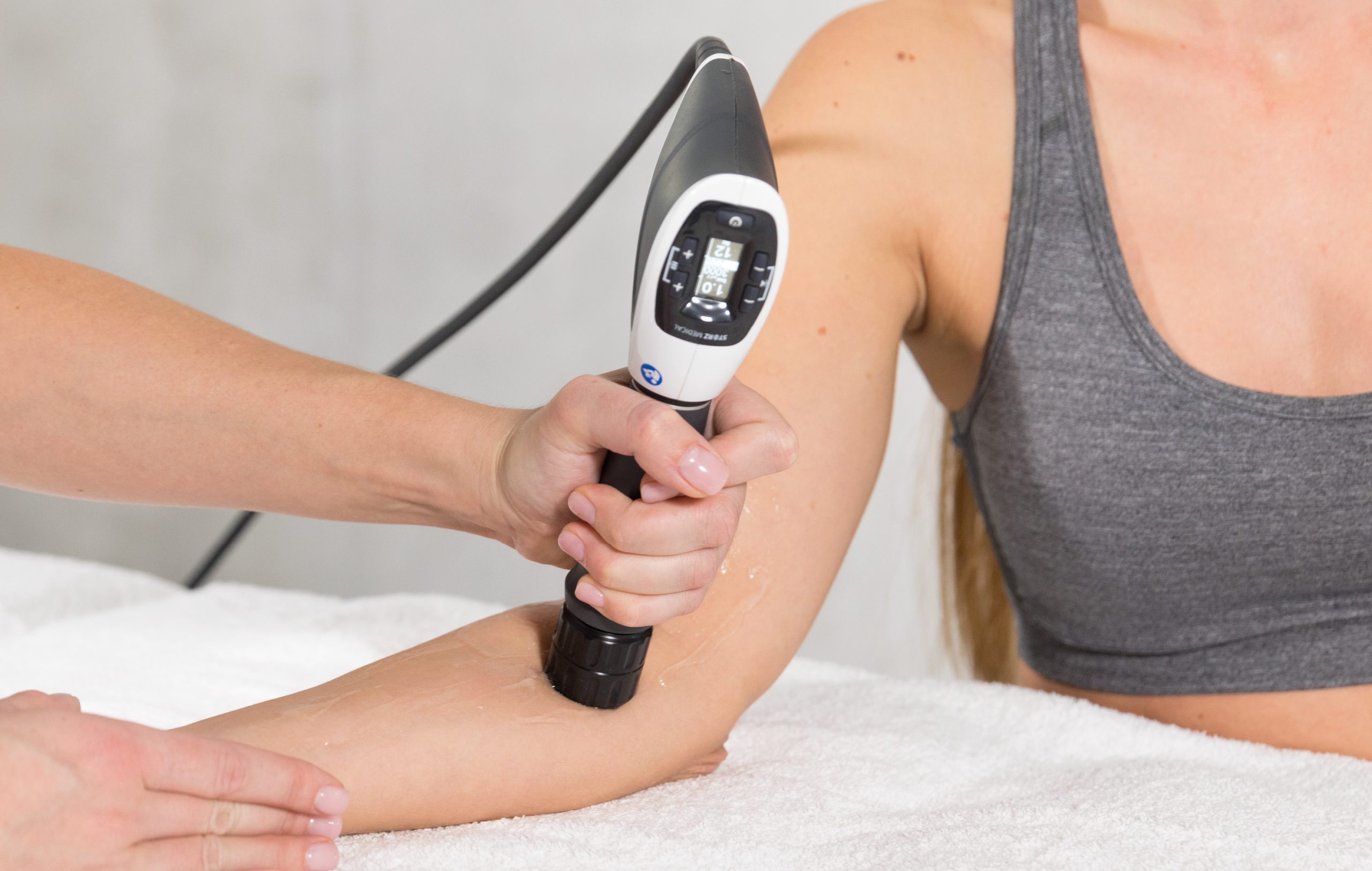
Shockwave therapy involves delivering mechanical energy into an area of the body using a small handheld treatment device.
Although it might sound like relatively new technology, shockwaves have actually been used in medicine for decades. They were originally used to break down kidney stones before different forms of the technology were developed for treating musculoskeletal problems.
Today, you'll find shockwave therapy being used by osteopaths, physiotherapists, podiatrists and sports medicine professionals.
There are different forms of shockwave therapy. At Osteo4U, the treatment we offer is radial extracorporeal shockwave therapy (r-ESWT).
With radial shockwave, pressure waves spread out as they enter the body, with the greatest energy closer to the surface. This makes the treatment particularly useful for a range of relatively superficial tendon, muscle and connective tissue problems. The important bit, though, is why we're using it.
Shockwave isn't simply about making an area feel less painful for a few hours. The mechanical stimulus produced by the treatment is intended to encourage a biological response within the tissue and support the body's own repair processes.
So, how does radial shockwave therapy work?
Your body is rather clever at repairing itself.
Most of the time, if you irritate or injure a tissue, your body gets to work and things gradually settle down. But sometimes that process doesn't go quite to plan.
You may have rested it. You may have changed your activity. You might have done exercises, stretched it, iced it, bought different shoes or simply hoped it would eventually disappear.
And yet, months later, there it still is.
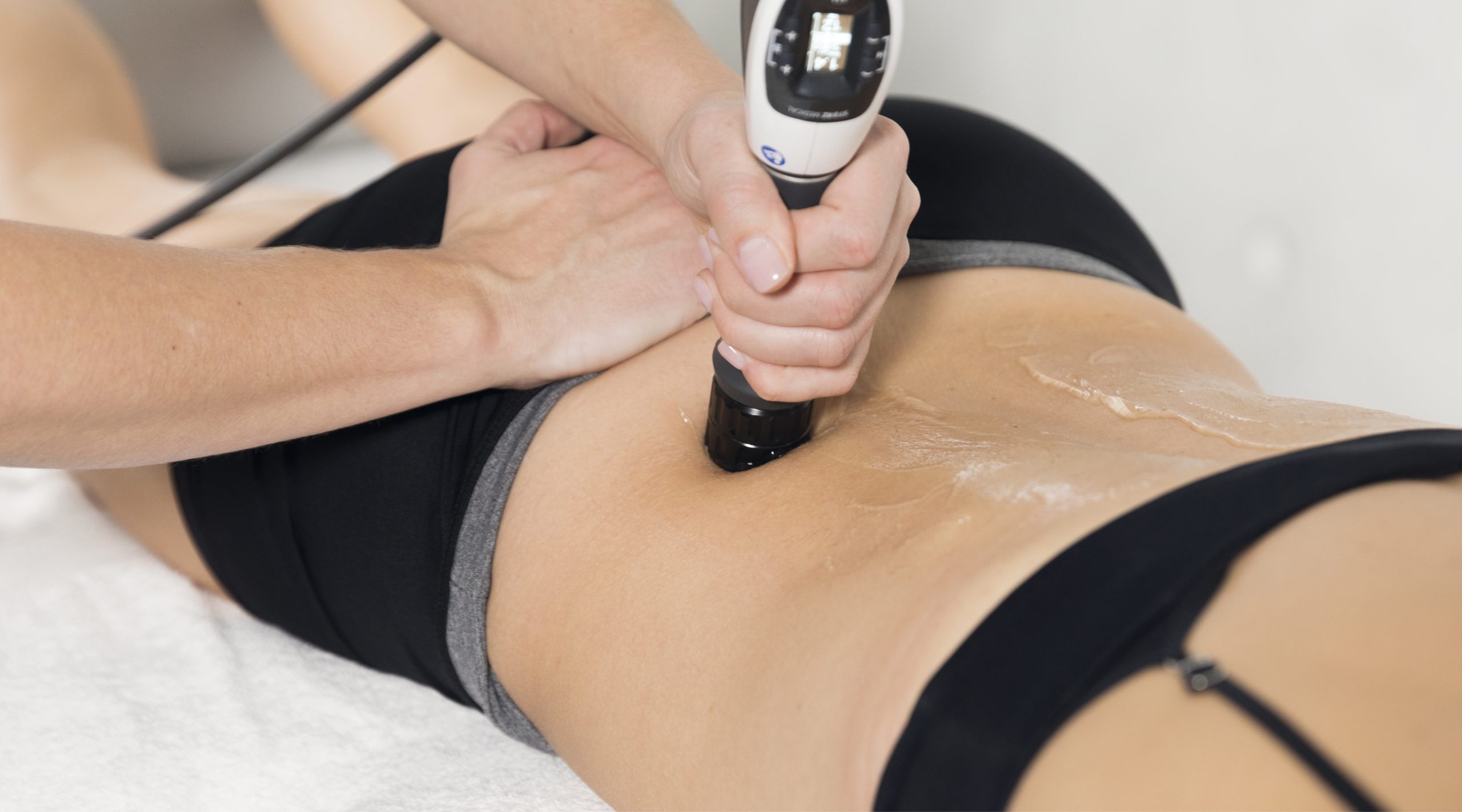
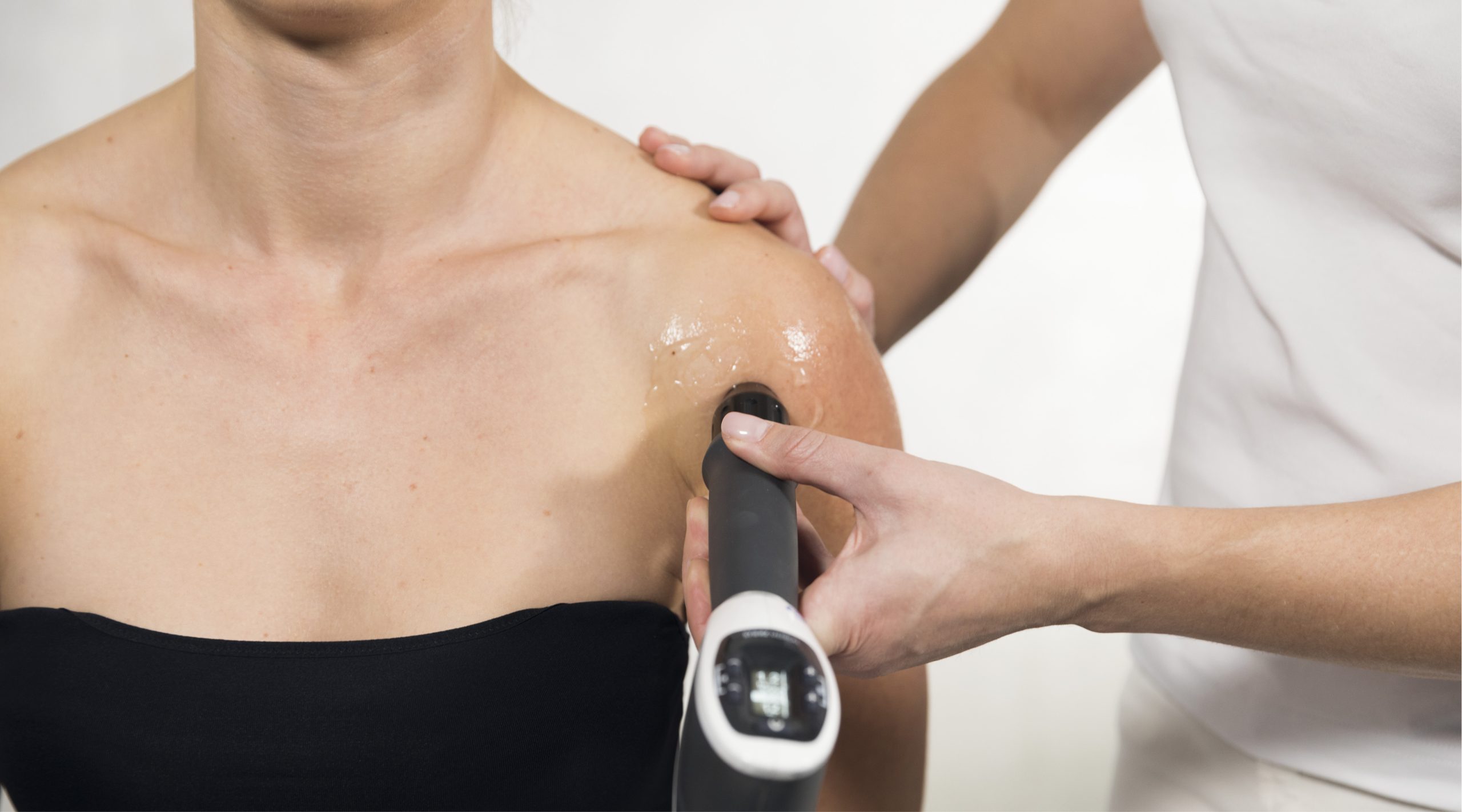
During radial shockwave therapy, a handheld treatment head delivers repeated pressure waves into the affected area.
These waves create a controlled mechanical stimulus within the tissue. Research suggests shockwave therapy can influence biological processes associated with blood flow, tissue repair and regeneration, as well as the way pain is experienced. One way to think about it is as giving a stubborn area a new stimulus to respond to.
That doesn't mean shockwave magically repairs everything overnight. Your condition, how long you've had it, your general health and what you do outside the treatment room can all affect recovery. That's why shockwave tends to work best as one part of a wider plan rather than being treated as a magic wand.
What problems is radial shockwave therapy used for?
Radial shockwave is probably best known for treating persistent tendon problems – particularly the ones that seem determined to stick around. It may be considered for conditions including:
- Plantar fasciitis and persistent heel pain
- Achilles tendinopathy
- Patellar tendinopathy (jumper's knee)
- Tennis elbow
- Golfer's elbow
- Gluteal and greater trochanteric tendinopathy
- Calcific tendinopathy of the shoulder
- Medial tibial stress syndrome (shin splints)
- Certain persistent muscle and myofascial problems
These are among the musculoskeletal applications described for radial pressure-wave treatment. Of course, having pain in one of these areas doesn't automatically mean shockwave is the answer. Heel pain, for example, isn't always plantar fasciitis. Pain around your elbow isn't necessarily tennis elbow. Where it hurts is only one part of the puzzle.
That's why it's important to work out what we're actually treating before deciding how to treat it.
Why are stubborn tendon problems so... stubborn?
If you've had a tendon problem for a while, you'll already know how frustrating they can be. They can also be oddly inconsistent.
Your Achilles might complain for the first ten minutes of a walk and then warm up. Your heel might be at its worst for those first few steps out of bed. Your elbow might feel absolutely fine until you pick up a bag, lift a kettle or open a stubborn jar. And resting doesn't always solve the problem.
Persistent tendinopathy isn't necessarily just an injury that's waiting patiently to “finish healing”. Changes can occur within the tendon and in how well it tolerates the demands you're placing on it.
That's why rehabilitation often involves gradually getting the area comfortable with load again rather than simply avoiding everything that hurts. Shockwave may be used alongside this process to stimulate a response within the affected tissue, while exercise and rehabilitation work on restoring strength, capacity and confidence in using the area again. In other words, shockwave can be part of the solution – but you're still an important part of it too.
What does radial shockwave therapy actually feel like?
This is usually the question people really want answered. The best description is probably a rapid, repeated tapping or pulsing sensation against the area being treated. Imagine someone tapping the same spot very quickly with a small object. Now imagine that sensation becoming more noticeable when the practitioner moves over the particularly sensitive bit.
That's roughly the idea. Some areas barely bother people at all. Others can feel uncomfortable, particularly when we're treating tissue that's already sensitive. But this isn't a situation where you get a medal for gritting your teeth. The intensity can be adjusted according to your comfort, which is also reflected in the clinical guidance for radial pressure-wave treatment.
What happens during an appointment?
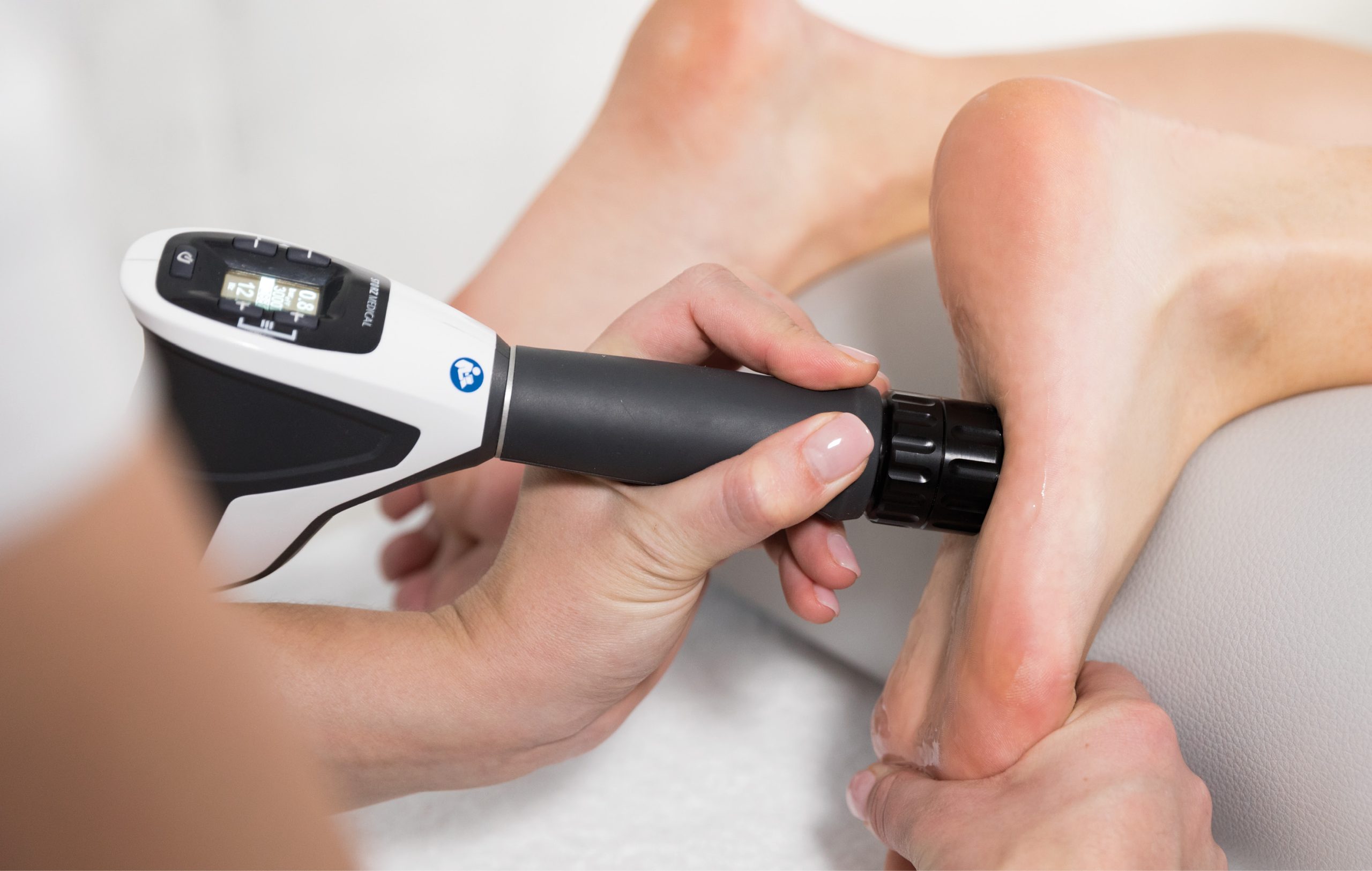
Before anyone reaches for the shockwave machine, we need to understand what we're treating. That means talking to you about your symptoms: when they started, what makes them better or worse, what you've already tried and, importantly, what the problem is stopping you from doing.
We'll then carry out an appropriate physical assessment. If shockwave is suitable, a little gel is applied to your skin – rather like the gel used for an ultrasound scan. This helps the pressure waves pass effectively from the treatment head into the tissue. The treatment head is then placed against the area and the pulses begin.
The shockwave part itself is usually relatively quick. Your overall appointment may also include other treatment, advice or rehabilitation depending on what you need.
FAQ
How many treatments will I need?
We'd love to give you a beautifully simple answer here, but bodies don't tend to work like that. There isn't a magic number of shockwave sessions that works for everybody.
Radial shockwave commonly involves a course of treatment rather than a single session. Manufacturer guidance describes around 3–6 sessions as typical, although the appropriate number depends on the condition and individual response.
We'll have a much better idea once we've assessed you and can explain what we'd recommend and why.
When should I expect to notice a difference?
Some people notice changes relatively quickly. For others, improvement is much more gradual. And that's worth understanding before you start.
The aim of shockwave isn't necessarily to make something feel completely different the second you walk out of the treatment room. We're trying to influence processes involved in the tissue's response and recovery, and bodies need time to do their bit.
Progress is therefore better judged over the course of your treatment and rehabilitation rather than by asking whether everything feels fixed after session one.
Will I be sore afterwards?
Possibly. The treated area can feel a little tender or achy afterwards – a bit like you've worked or irritated an already-sensitive area.
Temporary redness, mild swelling or bruising can also occur, and occasionally symptoms can feel a little more noticeable before they settle. These are recognised temporary effects of radial pressure-wave treatment.
We'll explain what you can expect following your treatment and what we'd like you to do – or avoid doing – afterwards.
Is shockwave therapy safe?
Shockwave therapy is non-invasive and has an established role in musculoskeletal healthcare, but that doesn't mean it's suitable for absolutely everybody.
There are certain health conditions and circumstances where treatment may not be appropriate, and there are areas of the body where particular caution is needed.
That's one of the reasons we'll ask about your medical history before treatment.
If you're taking medication, have an existing medical condition, are pregnant, have recently had a procedure or there's been a change in your health, tell us. Even if you're not sure whether it's relevant, we'd rather know.
Is shockwave therapy the same as ultrasound?
No – although we can see why people confuse them. Both involve a handheld treatment head, both may involve gel and both can look fairly similar if you're watching from across the room. But what's happening underneath the skin is different.
Therapeutic ultrasound uses high-frequency sound waves, while radial shockwave therapy uses pressure waves that create a different mechanical stimulus within the tissue. So despite looking a little like cousins, they're not interchangeable treatments.
Is shockwave only for runners and athletes?
Not at all. Shockwave has become well known in sports medicine because runners and athletes are particularly good at developing tendon problems. But you absolutely don't need a medal collection or a Strava account to benefit from treatment.
Heel pain can make the school run miserable. An Achilles problem can stop you enjoying a Sunday walk. Tennis elbow can hurt when you're typing, gardening, carrying shopping or – despite the name – doing absolutely no tennis whatsoever.
Ultimately, we aren't interested in whether you consider yourself “sporty”. We're interested in what you want to be able to do that your pain is currently getting in the way of.
Can I exercise while having shockwave therapy?
Quite possibly. In fact, exercise and rehabilitation are often an important part of managing the kinds of problems for which shockwave therapy is used. But that doesn't necessarily mean carrying on exactly as normal and hoping for the best.
Sometimes we'll want you to modify an activity temporarily. Sometimes we'll introduce specific exercises or gradually build up how much load the area is handling. The goal isn't usually to wrap you in cotton wool.
It's to find the right balance between allowing an irritated area to settle and gradually preparing it to cope with the things you want it to do again.
So, is shockwave therapy worth trying?
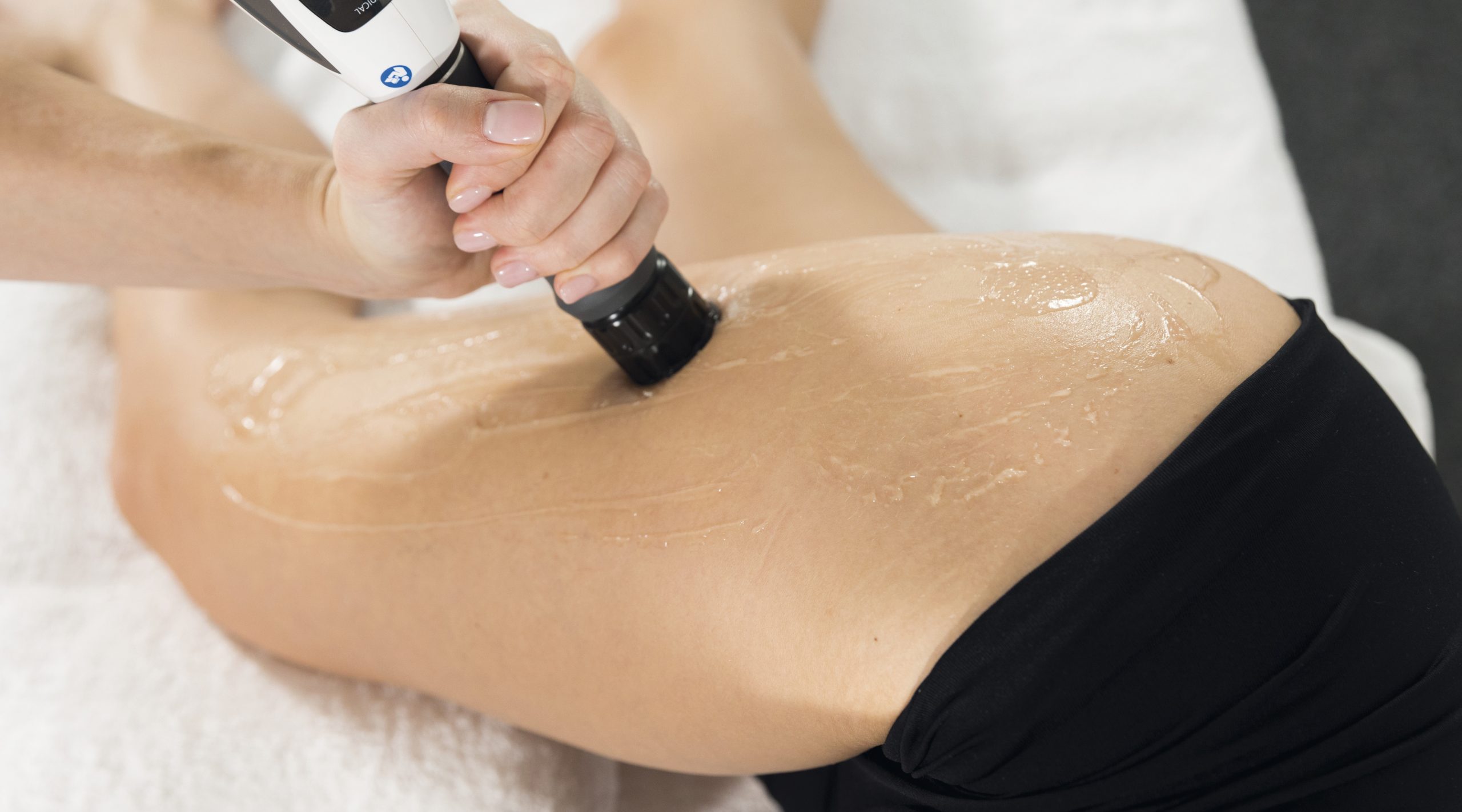
For the right problem, radial shockwave can be a useful treatment option – particularly for certain persistent tendon and musculoskeletal conditions. But perhaps the better question isn't:
“Does shockwave therapy work?”
It's:
“Is shockwave therapy appropriate for what's causing my pain?”
Because that's the bit that matters. A treatment can have research behind it and still not be the right treatment for every person with pain in that area. Good treatment starts with understanding what's going on. The technology comes afterwards.
Radial shockwave therapy in Eltham, South East London
At Osteo4U in Eltham, we offer radial shockwave therapy for appropriate tendon and musculoskeletal conditions. If you've been putting up with a problem that isn't improving – whether that's an aching Achilles, persistent heel pain, a troublesome elbow or something else entirely – the first step is finding out what's actually going on.
You can learn more about treatment, appointments and what to expect on our Shockwave Therapy service page. Or, if you're ready to get started, book an appointment and come and talk to us.