
Find long-term relief from back and hip pain
Alleviate discomfort, get back to living.
Back and Hip Pain Treatment
Is bending over to tie your shoes or picking something up an ordeal? Back and hip pain are common issues that can disrupt your daily life and impact your relationships, making movement uncomfortable and limiting your activities. Whether the cause is poor posture, injury, or age-related changes, these problems can take a toll on your well-being. Between the shooting pains and the numbness, it can often feel like there is no end to the pain you feel each day. We specialise in treating back and hip pain to restore your mobility, ease discomfort, and support lasting relief. Our goal is to help you move freely and comfortably again, so you can focus on the things you enjoy without pain holding you back.
Causes of back and hip pain?
Back and hip pain can affect your daily life, but understanding the cause is the first step toward effective treatment. Here are some common reasons for back and hip pain—and how we can help you find relief:
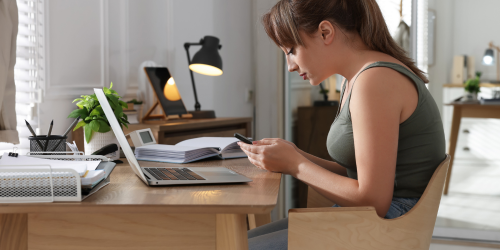
Poor Posture
Slouching or sitting incorrectly can put strain on your spine and hips, leading to pain and stiffness. We’ll assess your posture and help you realign with spinal adjustments and tips to improve your daily habits, reducing strain on your back and hips.
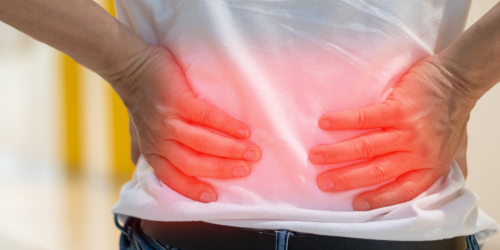
Herniated Disc
A slipped or damaged disc can press on nearby nerves, causing sharp pain in your back, as well as numbness and tingling that often spreads to your hips or legs. With gentle spinal adjustments and mobilisation, we can ease the pressure on your nerves, helping to reduce pain and restore your mobility.
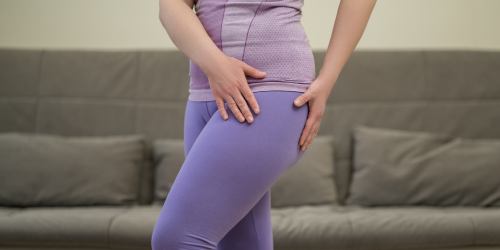
Osteoarthritis
Degenerative joint issues can cause pain, inflammation, and restricted movement in your spine or hips. Our tailored osteopathic techniques improve joint mobility, ease inflammation, and enhance circulation to help manage arthritis symptoms.
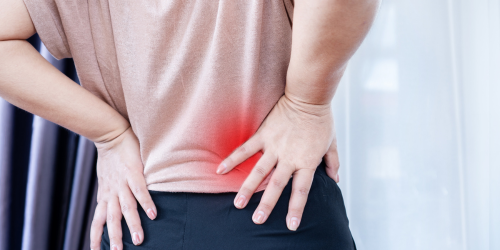
Muscle Strain
Overuse or sudden movements can strain muscles in your back and hips, leaving you sore and tight. We use soft tissue therapies, including massage and stretching, to relax your muscles and speed up your recovery.
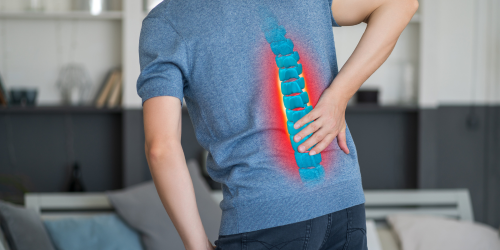
Sciatica
If you’re experiencing an intense, shooting, piercing pain that is intolerable from your lower back to your hips or legs, making it hard to stand up, sciatica might be to blame. We’ll relieve the pressure on your sciatic nerve with precise spinal adjustments, helping to ease pain and improve your movement.
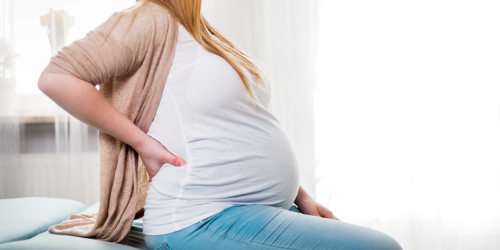
Pregnancy
Pregnancy shifts your weight distribution, often causing discomfort in your lower back and hips. Our gentle, pregnancy-friendly treatments are designed to relieve pressure, reduce pain, and support you throughout your pregnancy.
Are you tired of back and hip pain?
Get the relief you deserve now
How we treat back and hip pain
We offer a variety of treatments to help ease your back and hip pain, focusing on the underlying causes for long-lasting relief. Our drug-free approach gives you care that’s tailored to your needs. Drugs just mask the pain – they don’t treat the problem and can even allow it to get worse.
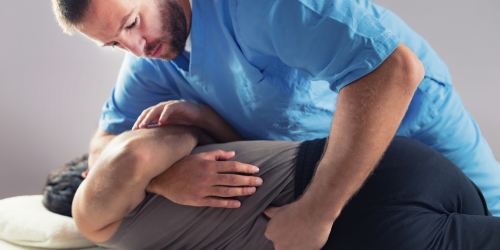
Spinal Adjustments
Gentle spinal manipulations realign your vertebrae, relieve nerve pressure, and restore mobility. This technique helps reduce back and hip pain caused by misalignment, leaving you feeling more balanced.
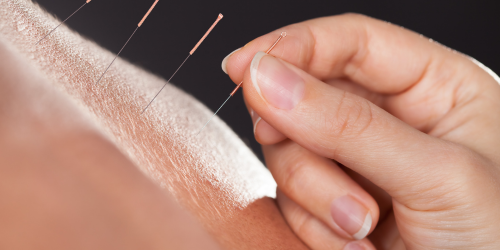
Acupuncture
By stimulating key points on your body, acupuncture reduces inflammation, relieves pain, and supports your body’s natural healing process, helping to ease discomfort in your back and hips.
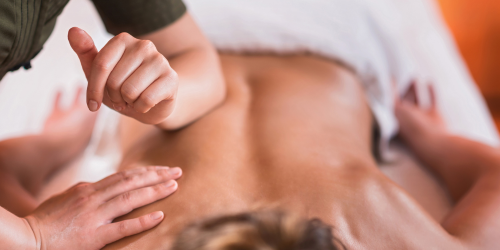
Massage Therapy
We focus on tight muscles and trigger points in your back and hips. By releasing tension, improving blood flow, and enhancing flexibility, we provide immediate relief and promote long-term recovery.
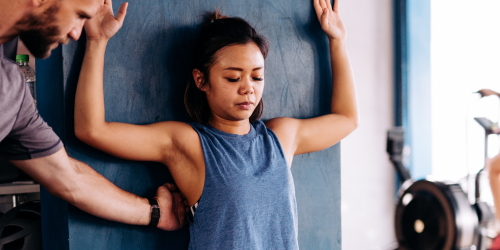
Exercise and Stretching Advice
We’ll create a customised plan of exercises and stretches to strengthen your muscles, boost flexibility, and improve posture, helping you avoid future injuries and discomfort.
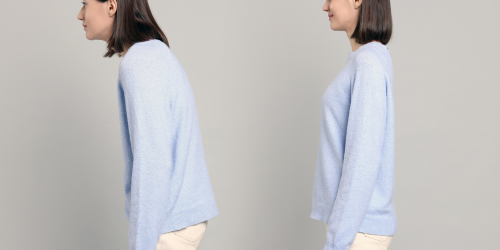
Postural Correction
Poor posture often contributes to back and hip pain. We’ll assess your alignment and provide practical tips to keep your posture in check, reducing strain and enhancing your overall musculoskeletal health.
3 phases of back and hip pain treatment
Pain relief care
To start, we quickly relieve your back and hip pain, helping you feel better as soon as possible so you can get on with your life again.
Corrective care
Then, we target the root cause of your pain, focusing on repairing and restoring proper movement to your back and hips.
Wellness care
Next, we support your ongoing health with our Wellness Community, helping you stay active and pain-free for the long term.
“I can recommend Eltham Osteopathy and their team to anyone who has back pain, they have given me back my life and I am so grateful I found such a caring clinic.”
Let’s Talk! Get a Free Telephone Consultation!
Have questions? Get expert advice at no cost—schedule your free call today!
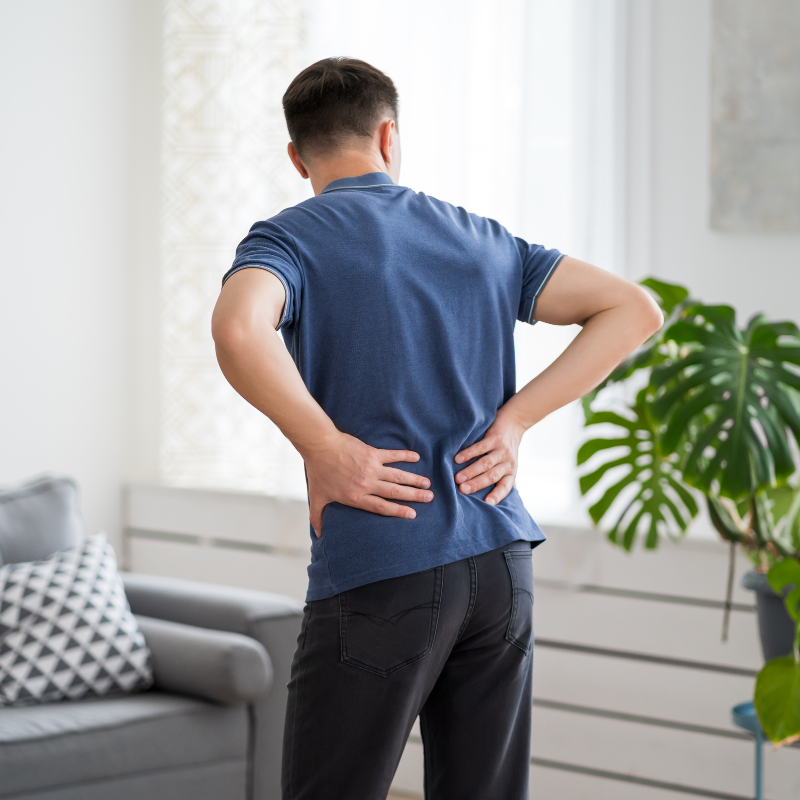
Back & Hip Pain
There is often no single identifiable cause for lower back pain, as it is driven by a combination of daily habits like prolonged sitting, poor posture, lack of exercise, stress, and a poor diet. Slouching compresses spinal discs, while inactivity weakens muscles needed for support. Chronic stress increases muscle tension, and nutritional deficiencies slow down tissue repair. This combination causes micro-wear to accumulate faster than the body can heal, triggering joint irritation and muscle pain. A professional assessment helps rule out severe medical conditions and outlines a comprehensive recovery plan.
Evidence shows osteopathy helps manage symptoms, and the National Institute for Health and Care Excellence (NICE) supports manual therapy for low back pain and sciatica. However, guidelines emphasize it works best alongside an active exercise program, education, and self-management advice as part of a complete recovery plan.
Sitting places double the pressure on your lower spinal discs compared to standing. Prolonged sitting starves muscles of oxygenated blood, causing fatigue and stiffness. Meanwhile, hip flexors tighten and glutes deactivate, forcing the lower back joints to absorb excessive physical stress and accumulate painful micro-wear. Changing position regularly, building activity gradually and reviewing your workstation may help. Persistent or worsening pain should be assessed.
For most uncomplicated back pain, gentle activity and a gradual return to normal movement are preferable to prolonged bed rest. Adjust activities to what you can tolerate and seek advice if symptoms are severe or not improving.
Many episodes improve over several weeks, although some last longer or recur. Recovery depends on the cause and individual circumstances. Simple muscle strain can recover in weeks but disc damage can take 6 months or more. Seek assessment if symptoms persist, worsen or interfere significantly with daily life.
Back pain is discomfort in the back itself. Sciatica describes pain that typically travels from the lower back or buttock into a leg due to irritation of a nerve, sometimes with tingling or numbness. Both can occur together.
A person can have a “slipped” disc with zero pain. Technically, discs cannot slip out of place because they are firmly attached to the spine; instead, they bulge or herniate. These disc changes are incredibly common, normal signs of aging and only hurt if they physically press against a nerve or cause chemical inflammation. Symptoms cannot confirm a disc problem on their own so an assessment is vital to help decide whether further investigation is appropriate.
Hip pain may arise from the hip joint, nearby muscles or tendons, or sometimes be referred from the lower back. Where you feel the pain and what triggers it can help guide assessment.
This pain is typically driven by joint arthritis or referred lower back pain. Walking puts repetitive physical loading on worn hip joints, while lying on your side compresses the inflamed structures. Furthermore, pinched nerves or structural issues in the lower back frequently refer sharp or aching pain down into the hip and buttock area. An examination can help identify likely contributors and suitable next steps.
Yes. Pain from the lower back can sometimes be felt in the buttock or around the hip. Hip conditions can also cause pain in nearby areas, so assessment is useful before deciding on treatment.
Seek emergency care for new bladder or bowel problems, numbness around the genitals or bottom, or severe or progressive leg weakness, especially with back pain. Seek prompt medical advice for fever, significant trauma, unexplained weight loss or other worrying symptoms.