
Don’t keep treating your pain
Get rid of it for good.
Osteopathy Explained
Does standing or walking for more than a few minutes leave you wincing in pain? Symptoms such as neck pain, back pain, and headaches are your body’s way of telling you things are wrong. Your body is designed to heal itself and if it can’t then something must be stopping the healing process. That’s where we come in, to find that root cause. Like a machine, if a bolt is tightened in one part, it affects other parts of the machine. Osteopathy uses techniques like manipulation, stretching, and strengthening to restore balance, improve your mobility, and support your long-term health.
What do Osteopaths do?
As osteopaths, we take a hands-on approach to find and fix areas of dysfunction in your body. By working closely with you, we improve your mobility, reduce discomfort, and boost your quality of life.

Detect Abnormal Function
We identify your stiff joints, muscle tension, and misalignments through skilled touch and observation.

Correct Joint Stiffness
We use targeted manipulation and mobilisation to restore your flexibility and range of motion.

Alleviate Muscle Tension
We apply gentle stretching and massage to reduce tightness a nd help you relax.

Address Poor Movement Patterns
We guide you in improving posture and movement to reduce strain and prevent recurring issues.

Strengthen Weak Areas
We help strengthen your muscles to support healthy body mechanics.

Offer Holistic Care
We provide personalised advice on lifestyle, exercise, and ergonomics to help you maintain long-term health and well-being.
Arrange your free phone consultation
Get the relief you deserve now
What can Osteopathy improve?
Osteopathy can enhance your body’s natural ability to heal and function properly. By addressing imbalances, we give you relief and promote your well-being. So, if you have a stiff joint, how does taking a drug get that moving? It simply doesn’t – someone has to move it so the joint can move better and the muscle can function normally, getting out of the spasm. Like plaque on your teeth, more brushing doesn’t get rid of it. A dentist has to physically remove it.

Back, Hip, Arm and Neck Pain
We can help alleviate your discomfort caused by poor posture, injuries, or muscular tension.

Joint Pain
We improve your mobility and reduce stiffness in your joints affected by wear, injury, or inflammation.

Headaches and Migraines
We relieve tension and improve your blood flow by addressing issues in your neck and upper back.

Sciatica
We ease nerve pain by reducing tension and improving your spinal alignment.

Pregnancy-Related Pain
We support your changing body by relieving discomfort in your back, pelvis, and hips.

Overall Mobility and Function
We enhance your daily movement and quality of life by promoting a balanced, well-functioning musculoskeletal system.
Are Osteopaths medical professionals?
Yes, osteopaths are fully qualified Allied Health Professionals who work in the NHS. To practice in the UK, osteopaths complete a 4-5 year Honours Degree at an accredited institution. After that, they are registered with the General Osteopathic Council, established by law in 1993 to ensure high professional standards like those of GPs. The British Medical Association recognises osteopathy, and your GP can confidently refer you to an osteopath for treatment.
Discover what being pain-free really feels like.
Who can benefit from Osteopathy?
Osteopathy is for everyone, from newborns to the elderly. We will tailor treatments to your specific needs and condition, making sure you get the most effective care. Whether you’re recovering from surgery, managing chronic pain, or dealing with everyday discomforts, osteopathy can help. If your condition isn’t suitable for osteopathic care, you’ll be directed to the right specialist for support.
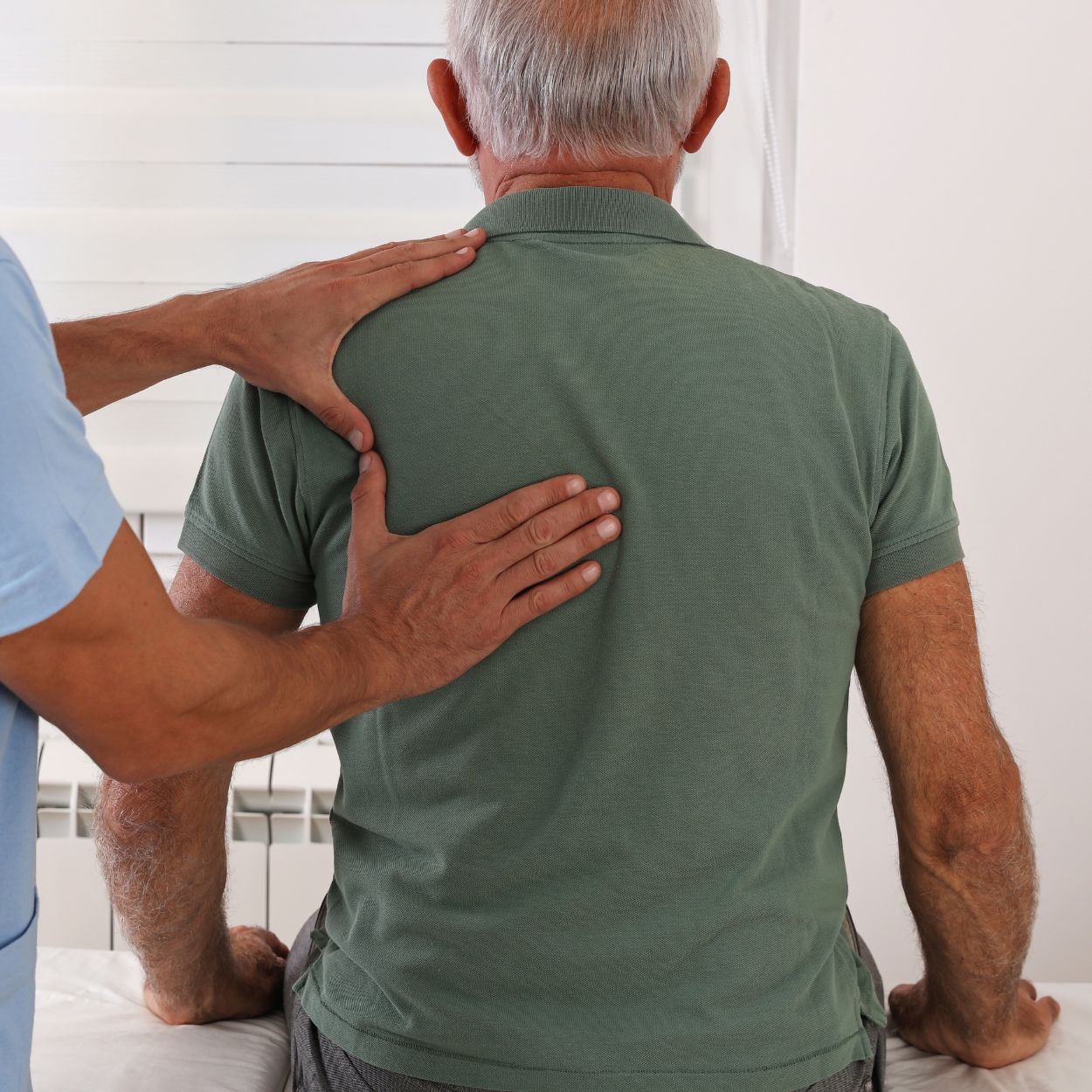
Osteopathy
Osteopathy is a regulated healthcare profession that assesses and manages musculoskeletal problems, including some types of muscle and joint pain. Osteopaths use examination, advice, movement and, where appropriate, hands-on techniques tailored to your needs.
Your osteopath will ask about your symptoms, health history and goals, then examine how you move. They will perform clinical exams just like your consultant such as orthopeadic and neurological exams. They will explain their findings and discuss suitable options, which may include treatment, exercises or referral if needed.
Osteopathy is generally considered safe when provided by a suitably trained, registered practitioner. Your osteopath should explain potential benefits, risks and alternatives and ask for your consent. Temporary soreness can occur after hands-on treatment.
Evidence shows osteopathy helps manage symptoms, and the National Institute for Health and Care Excellence (NICE) supports manual therapy for low back pain and sciatica. However, guidelines emphasize it works best alongside an active exercise program, education, and self-management advice as part of a complete recovery plan.
Yes. Osteopaths must be registered with the General Osteopathic Council (GOsC) to practise using the title osteopath in the UK. Registration involves meeting professional and education standards.
Wear comfortable clothing that allows you to move easily, such as shorts, leggings or a loose top. Your osteopath will explain any examination needed and respect your preferences and privacy.
This varies depending on your specific condition, how long you have experienced the problem, and how severe it is. Chronic or more severe issues typically require a longer course of treatment.
During your initial consultation, your osteopath will thoroughly assess your body and discuss a tailored recovery plan with you. We continually review your progress at every session to ensure the treatment is helping you recover effectively and safely.
Some people experience temporary soreness, stiffness or tiredness after hands-on treatment. Ask your osteopath what to expect and contact the clinic if symptoms concern you or worsen.
No. Osteopaths assess a range of musculoskeletal complaints, including some neck, joint and muscle problems. Whether osteopathic care is appropriate depends on the cause of your symptoms.
A clicking or popping sound can occur when pressure changes within a joint during movement. A sound is not necessary for treatment to be effective, and your osteopath can discuss techniques you are comfortable with.
Yes. Our oldest patient is 91 and we have many patients in their 80’s. Osteopathic treatment is gental and effective. Osteopathic assessment and care can be adapted to age, health conditions, mobility and personal preferences. Your osteopath will consider whether treatment or another form of care is appropriate.
You can usually book directly with a private osteopath without a GP referral. If your symptoms suggest that medical assessment or investigation is needed, your osteopath can advise you to contact an appropriate clinician.