
Long Term Spinal Health: Understanding & Managing Recurring Pain
If your pain keeps returning, it can leave you uncertain, discouraged or even hopeless. You may have tried resting, exercising, changing your chair or having treatment, only to find that the symptoms settle for a while and then come back again.
At Eltham Osteopathy Clinic, osteopath Paul Musk and the clinical team take a longer-term approach. We start with the pain affecting you now, then look at what may be contributing to it and what could support better movement, function and spinal health over time.
There are no quick-fix promises or one-size-fits-all plans. Just clear explanations, professional assessment and care shaped around you. At Eltham Osteopathy Clinic, we want to help you find true relief from pain with treatments tailored to your needs.
Why does pain keep coming back?
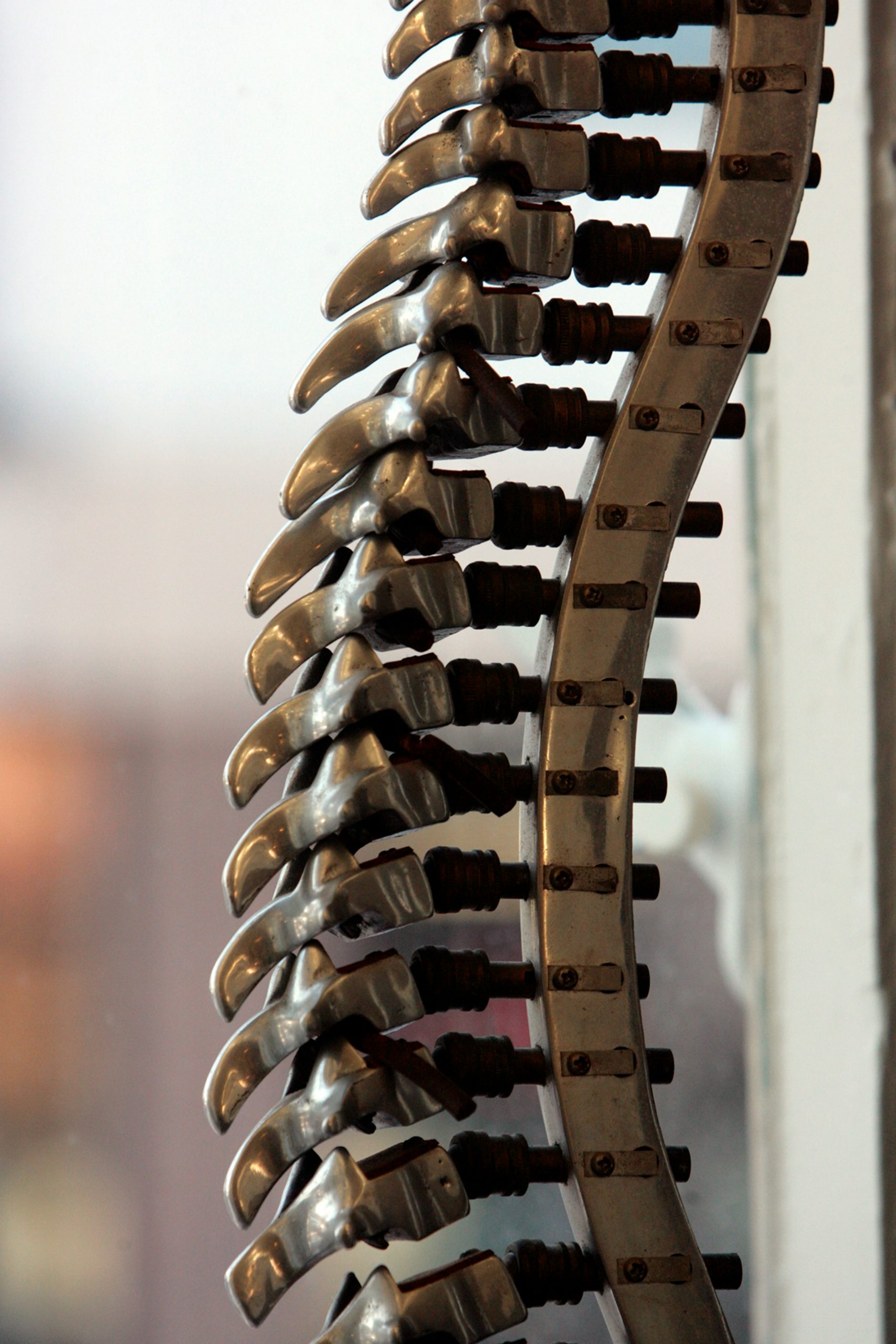
Pain can disappear without the underlying problem having disappeared.
For many people, this creates a frustrating cycle. The pain settles, you start feeling better and return to normal life, only for the same problem to return weeks, months or sometimes years later. It may happen after a long day at your desk, a busy weekend in the garden, a return to exercise or sometimes without any obvious trigger at all.
The important thing to understand is that pain is a symptom, not necessarily the underlying problem itself.
Think about tooth decay. A tooth can stop hurting without the decay having disappeared. In the same way, the absence of pain does not always mean that the factors contributing to the problem have been resolved.
Many people who come to Eltham Osteopathy Clinic have already been through the medical process. They may have taken painkillers, had injections or tried other treatments that helped manage their symptoms, only to find that the problem eventually returned. While these treatments can have a role in managing pain, reducing the pain does not necessarily address the underlying factors contributing to the problem.
Rather than simply treating each episode when it occurs, we look at the underlying problem and consider how the structure and function of your body may be contributing to it.
Our aim is to improve how your body is working so that we are not simply helping the pain settle, but addressing the factors that may be causing the problem to keep returning.
The goal is not simply to make the pain go away. It is to understand why it keeps coming back and address the underlying problem.
Contributing factors may include a sudden change in exercise, work or daily activity, spending long periods in one position, repetitive tasks or physical strain. This can also apply to symptoms such as sciatica or headaches linked to the neck: the name of the symptom tells us something about what you are experiencing, but not necessarily why it keeps returning.
Recurring pain also does not always mean that you have damaged yourself again or that your spine is becoming weaker. Pain is the body’s warning system, but that system can sometimes become more sensitive when symptoms have persisted or returned repeatedly. This does not mean the pain is imagined. It means pain is more complex than simply finding one sore muscle or joint.
That fuller picture helps us decide what may support longer-term improvement rather than simply settling the latest flare-up.
Understanding Long-Term Spinal Health
Long-term spinal health is less about keeping your spine in one ‘perfect’ position and more about helping your body remain mobile, strong and able to cope with daily life.
Movement, work, exercise, rest and everyday habits all play a part. This means spinal health is not something that is fixed during one appointment and then forgotten about. It develops over time.
At Eltham Osteopathy Clinic, we describe this as spinal hygiene. Just as looking after your teeth involves more than visiting the dentist when you have toothache, looking after your spine includes regular attention to movement, strength, activity and recovery rather than only responding once pain returns.
For some people, this may involve exercises and self-management. For others, preventative or maintenance care may also have a role where it is appropriate and has a clear purpose.
Movement and Mobility
Regular movement helps your joints and muscles remain accustomed to the activities you ask them to perform, although the right amount and type of movement will depend on your symptoms, general health and the activities you want to return to.
Posture and Daily Habits
Posture is often blamed for back and neck pain, but it is rarely as simple as being told to “sit up straight”. There is no single perfect posture that everyone must maintain throughout the day, and even a comfortable position can become uncomfortable when you stay in it for too long.
Your working setup may affect comfort, but it is only one part of the picture. A Posture Screen may provide useful additional information where appropriate, alongside your movement, strength, workload and daily routine.
Lifestyle and Recovery
Sleep, stress, general health and the demands of daily life can also influence how well your body copes with physical demands and how manageable symptoms feel.
Long-term spinal health does not require a perfect lifestyle. It means recognising the factors that appear relevant to you and making realistic, consistent changes where you can.
Looking Beyond Today's Symptoms
When pain keeps returning, where it hurts is only part of the picture. We also consider when symptoms began, what tends to bring them on and what you need your body to do.
Listening
We begin by listening to your experience and considering your symptoms, history and the way the problem affects your daily life. These details are considered alongside the physical examination to help us understand your movement and function and decide whether osteopathic care or another next step may be appropriate.
Identifying
Assessment is not only about identifying what may be contributing to the problem. It is also about understanding what you need your body to do.
One person may want to return to running, while another needs to work comfortably, care for their family or sleep through the night. Those goals help shape what a useful plan looks like for you.
Planning
Once the relevant information has been considered, your osteopath will explain the findings in straightforward language and discuss the available options.
Depending on your needs, osteopathic care may include hands-on treatment, exercises, movement or activity advice and practical ways to manage symptoms between appointments.
Common Conditions We Help With
At Eltham Osteopathy Clinic, we help people with a range of muscle, joint and spinal problems. An individual assessment helps us understand what may be involved and whether osteopathic care or another next step may be appropriate.
Back & Hip Pain
Back and hip pain may begin after a particular movement or injury, develop gradually or return in repeated flare-ups. It can make sitting, bending, lifting, walking or sleeping uncomfortable.
Neck & Arm Pain
Neck and arm pain may involve aching, stiffness or difficulty turning your head. Sometimes it is accompanied by discomfort, tingling or other symptoms in the shoulder or arm.
Assessment can help determine whether nerves may be involved and whether osteopathic care, further investigation or another form of support may be appropriate.
Sciatica
Sciatica usually describes pain or other symptoms travelling from the lower back or buttock into the leg. These may include tingling, numbness or weakness.
Not every pain that travels into the leg is sciatica, so assessment can help clarify what may be involved and the appropriate next step.
Headaches
Headaches can have many different causes and should not automatically be blamed on the neck. However, some may be associated with neck pain, stiffness or restricted movement.
We will consider the pattern of your headaches and whether the neck may be contributing. Where medical advice or further investigation is needed, we will explain that clearly.
Sports Injuries
Sports injuries may follow a sudden strain or awkward movement, repeated training demands or an increase in activity that the body was not yet ready for.
Assessment can help identify what has been affected and what may support a gradual return to exercise or sport. This may involve treatment, rehabilitation exercises and practical advice based on your activity and goals.
For some persistent tendon problems, we may also discuss whether Shockwave Therapy could be an appropriate treatment option. This will depend on the condition, your assessment findings and whether the treatment is suitable for you.
Prevention & Self-Management
No one can guarantee that pain will never return, but practical self-management may help reduce how often flare-ups occur, how disruptive they are or how difficult they feel to manage.
Self-management is not about leaving you to deal with the problem alone. It is about giving you useful tools and helping you feel more confident about what your body can manage.
Keep moving and build up gradually
When something hurts, temporarily reducing an aggravating activity may sometimes be sensible. However, avoiding movement for too long can contribute to stiffness, reduced strength and less confidence.
Try to continue with as much normal activity as you comfortably can, adapting things where necessary rather than stopping completely. This does not mean pushing through severe pain. It means finding a manageable level and building from there.
When building your activity back up, increasing one thing at a time may be more manageable. This could mean walking a little further, adding weight gradually or allowing more recovery between demanding days.
Follow exercises chosen for you
An exercise that helps one person may be unnecessary or unsuitable for another.
Where exercises form part of your plan, they should have a clear purpose and suit your symptoms, abilities and goals. A small number that fit realistically into your routine may be more useful than a complicated programme that is difficult to maintain.
If an exercise is unclear, causes a significant increase in symptoms or simply does not fit into your day, let us know so the plan can be reviewed.
Change position regularly
Short walking breaks, alternating tasks and adjusting your workstation for comfort may all help.
Maintain improvements
Maintaining progress does not require a perfect routine. As your circumstances change, the strategies that have helped you can be adapted too.
You may also begin to recognise early warning signs, such as increasing stiffness, discomfort after a familiar task or reduced tolerance for normal activity. These do not necessarily mean that a severe flare-up is coming, but they may be a useful signal to adjust your activity, return to helpful exercises or allow more recovery.
Know when to ask for help
Self-management does not mean ignoring symptoms that are persistent, worsening, unusual or significantly different from previous flare-ups.
Seek urgent medical advice rather than waiting for a routine osteopathy appointment if you develop new bladder or bowel problems, loss of feeling around the groin or saddle area, significant new weakness, severe pain following major trauma, or feel seriously unwell alongside back pain.
If you are unsure, ask. We would rather help you identify the appropriate next step than have you delay care that may be important.
What to Expect at Eltham Osteopathy Clinic
We want you to understand what happens at each stage of your care and have the opportunity to ask questions before making any decisions.
1. Your Initial Consultation and Examination
Your first appointment is usually an initial consultation and examination. We will discuss your symptoms, when they began, what makes them better or worse and how they affect your daily life. We will also ask about your medical history, medication, previous injuries and any treatment or investigations you have already had.
Your osteopath will then carry out a physical examination. This may include simple movements and relevant orthopaedic or neurological tests to assess areas such as movement, strength, reflexes, sensation and possible nerve involvement.
We will explain what we are doing as we go, and you can ask questions or ask us to stop at any point.
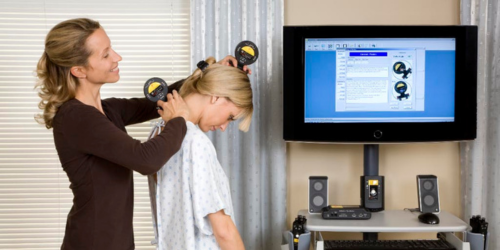
New patients are also usually offered a MyoVision scan as an additional assessment tool. The findings are considered alongside your symptoms, medical history, physical examination and clinical tests rather than being used on their own.
If the assessment suggests that an X-ray, MRI scan or another healthcare professional may be more appropriate, your osteopath will explain why and discuss the next step.
2. Your Report of Findings Appointment
After the initial consultation and examination, you will be invited back for a report of findings appointment.
At this appointment, your osteopath will explain the examination findings, diagnosis or clinical impression, recommended treatment plan and likely timeframe in straightforward language.
The proposed timeframe is a guide rather than a guarantee. People respond differently, and the plan may change according to your progress.
3. Beginning Treatment
If osteopathic treatment appears appropriate and you would like to begin, treatment can be provided during the report-of-findings appointment. This is charged separately.
Before starting, your osteopath will explain what the treatment may involve, what it is intended to achieve and any relevant benefits or risks. Nothing will be done without your agreement.
Treatment may also be supported by exercises, movement advice or practical recommendations where appropriate.
4. Reviewing Your Progress
At later appointments, we will review how you have responded and how you are managing your normal activities. The plan can then be continued, adapted or reduced according to your progress.
If you are not improving as expected, we will reconsider the approach. This may mean changing the plan, recommending further investigation or referring you to another healthcare professional.
Each appointment should have a clear purpose, and the plan can be adjusted as your needs and progress change.
Why Choose Eltham Osteopathy Clinic?

Experienced, Evidence-Informed Care
Eltham Osteopathy Clinic combines clinical expertise with a practical, evidence-informed approach to muscle, joint and spinal problems. Your medical history, examination findings and individual circumstances guide our recommendations.
If osteopathic care is not the most appropriate next step, we will say so and advise when further investigation or another healthcare professional may be needed.

Care Built Around You
Pain may be common, but the way it affects your life is personal. Your plan should reflect your health, daily demands and what you want to return to doing.
You will be involved in decisions about your care rather than being placed into a standard programme.

Longer-Term Thinking
Treatment has a role, but it forms part of a broader approach. Once the immediate symptoms have improved, the focus can move towards better function and spinal health, followed by self-management and preventative or maintenance care where appropriate.
The aim is to help you maintain your progress and feel more confident about looking after your health over time.
A Local Clinic Focused on People
Eltham Osteopathy Clinic is based at Eltham Health Clinic and led by Paul Musk, who graduated from the British School of Osteopathy with a BSc (Hons) in Osteopathy before completing a further diploma in classical osteopathy.
Paul has a particular interest in spinal, sports and work-related injuries, as well as postural care. Together with the Eltham Osteopathy Clinic team, he has helped shape a clinic focused on high professional standards, clear patient communication and a friendly, personal approach.
Frequently asked questions
Why does my pain keep coming back?
Probably because the problem never went away in the first place, it simply got a little bit better, better enough for the pain top stop. The underlying problem is still there and is not being addressed. Pain often returns because several contributing factors overlap rather than because there is one simple cause. These may include changes in activity, increase in stress, physical demands, recovery, previous injuries or other health factors. An assessment can help identify the pattern that is most relevant to you.
Can osteopathy help with recurring pain?
Yes osteopathy can definitely help with recurring pain caused by muscle, joint, back and neck problems. We have had many patients who have seen other therapist and have been in pain two or three times a year over the last 10 years. However, since coming to see us and treatment based on our specific protocols, over the next 10 years they have not had problems at all and on the very rare occasion, a minority get some mild symptoms.
How many treatments will I need?
There is no standard number of treatments that suits everybody. The likely timeframe will depend on the problem, your general health, your goals and how you respond, and the plan will be reviewed as you progress.
Can future flare-ups be prevented?
If you take the time to correct the underline structural problems in your body and come in for regular spinal hygiene checks then there is a good likelihood that future flareups can be prevented. It’s very similar to a dentist. The person who sees the dentist only when they’re in pain have the most problems, however, the people who visit the dentist regularly and have dental checkups and hygienist appointments tend to have very few problems with their teeth.
Should I wait until the pain becomes severe?
Not necessarily. An assessment may be helpful when pain keeps returning, affects your work, sleep or normal activities, or leaves you unsure what is safe to do.
Seek appropriate medical advice sooner if symptoms are new, changing, worsening or significantly different from previous episodes.
Is osteopathy suitable for an ongoing problem?
Osteopathy may be suitable for some persistent or recurring musculoskeletal problems, but this needs to be assessed individually. Your osteopath will consider whether care is appropriate or whether further investigation or another healthcare professional would be better placed to help.
What is the difference between treating pain and improving spinal health?
Treating pain focuses mainly on the symptoms you are experiencing now, while longer-term spinal health looks beyond the current episode. It may involve movement, physical capacity, daily habits, recovery, exercise and practical ways to manage future symptoms.
Do I need a referral from my GP?
You do not usually need a GP referral, and most patients can book directly with an osteopath. If you intend to claim through private medical insurance, check with your provider first because some policies require a referral.
Ready to Understand Why Your Pain Keeps Returning?
If your pain keeps returning, we can help you understand what may be contributing to it, whether osteopathic care may be appropriate and what a realistic next step could look like.