

Osteopathy FAQ
Our osteopathy FAQ page answers a few of the common questions we get asked about osteopathy and our treatments. If you have any other questions not answered here please contact our clinic and one of our osteopaths will be pleased to help you. Choose a category below, then click a question to read the answer:

Osteopathy

Back & Hip Pain
Sciatica
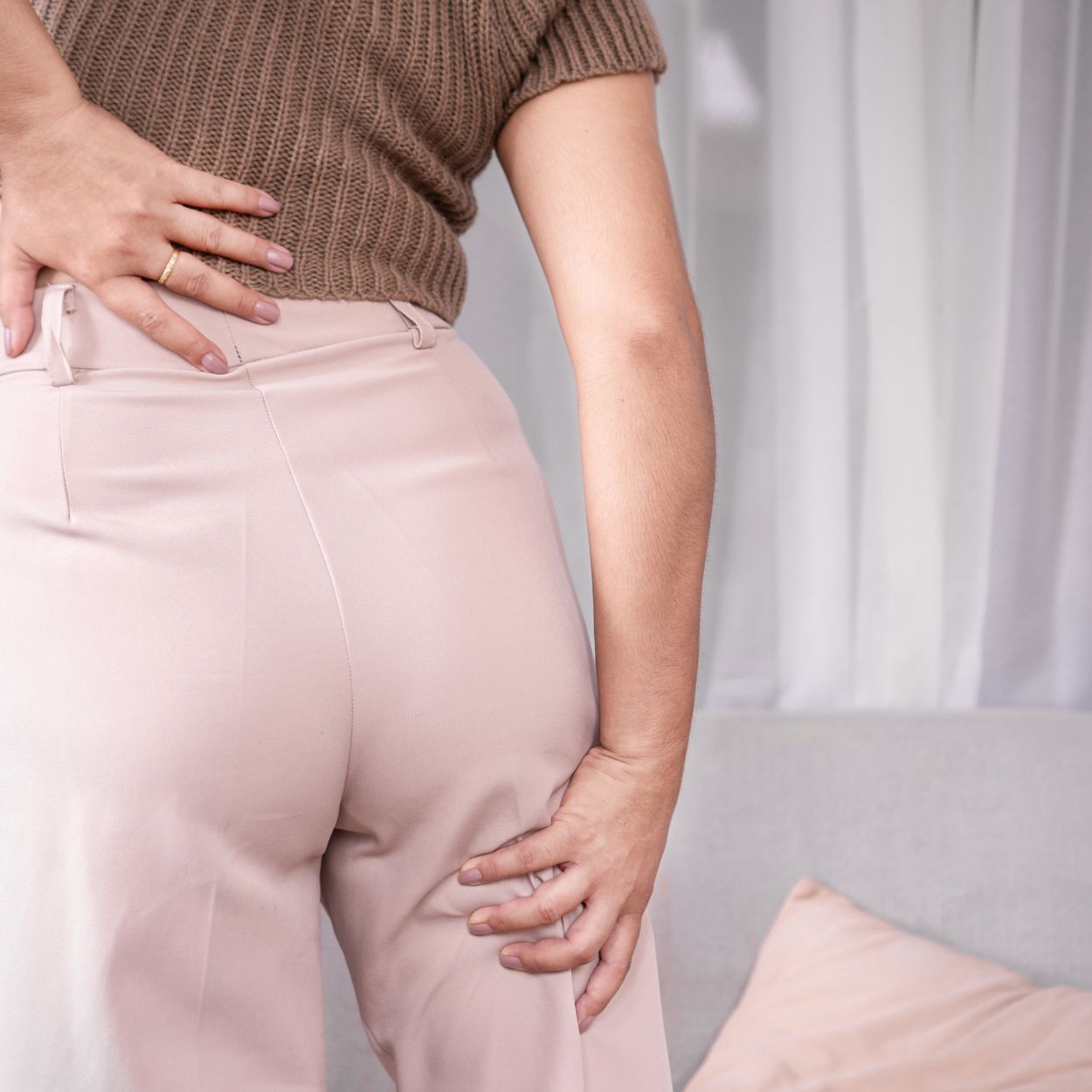
Sciatica is pain associated with irritation of a nerve in the lower back, typically travelling through the buttock and down one leg. It may also involve tingling, numbness or weakness. Sciatica is not a medical diagnosis, but rather a symptom of an underlying condition that irritates or compresses the sciatic nerve
Sciatica may feel like shooting, burning or electric pain travelling down a leg. Some people also notice pins and needles, numbness or changes in strength. Symptoms vary and should be assessed if persistent or severe.
Sciatica can occur when a nerve root in the lower back is irritated, sometimes by a herniated disc or age-related spinal changes. Not every case has a clearly identifiable cause.
An osteopath can help by applying manual therapy-like spinal mobilisation and massage-to relieve physical pressure on the sciatic nerve. Because sciatica is a symptom of an underlying issue, osteopathic care directly aligns with the National Institute for Health and Care Excellence “NICE” guidelines by combining these physical techniques with tailored exercises to restore spinal movement and speed up tissue recovery. Depending on the findings, referral for medical assessment may be more suitable.
Many cases improve over weeks to a few months, but some can take longer. The outlook depends on the cause and severity. Seek medical advice if symptoms are worsening or not improving.
Gentle walking may help some people stay active, provided it does not significantly worsen symptoms. Start with manageable distances and adjust according to your response.
Some gentle movements may feel helpful, but aggressive stretching can aggravate nerve-related symptoms. Exercises should be chosen according to your presentation; stop if pain, tingling or weakness worsens.
Yes. Irritation of a spinal nerve may cause altered sensation or weakness. New or worsening weakness needs prompt medical assessment, and bladder or bowel changes or saddle numbness require emergency care.
Sciatica is a symptom pattern linked to irritation of nerves supplying the leg. People sometimes call this a trapped or pinched nerve, but the exact mechanism varies and requires assessment.
Seek emergency medical attention if you develop difficulty passing urine, loss of bladder or bowel control, numbness around the groin or bottom, or rapidly progressing weakness. These can indicate a serious nerve problem.
Let’s Talk! Get a Free Telephone Consultation!
Have questions? Get expert advice at no cost—schedule your free call today!