

Osteopathy FAQ
Our osteopathy FAQ page answers a few of the common questions we get asked about osteopathy and our treatments. If you have any other questions not answered here please contact our clinic and one of our osteopaths will be pleased to help you. Choose a category below, then click a question to read the answer:
Osteopathy
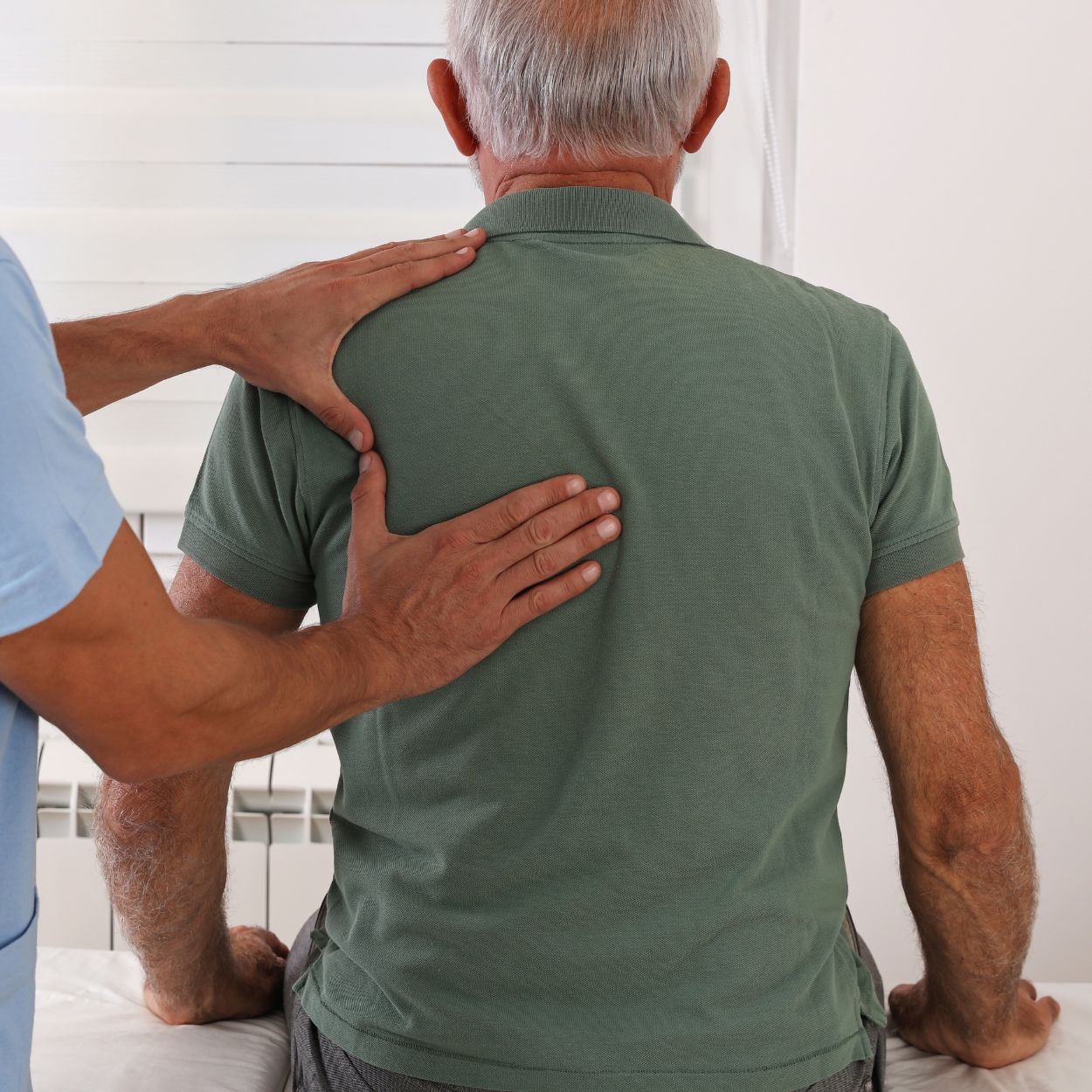
Osteopathy is a regulated healthcare profession that assesses and manages musculoskeletal problems, including some types of muscle and joint pain. Osteopaths use examination, advice, movement and, where appropriate, hands-on techniques tailored to your needs.
Your osteopath will ask about your symptoms, health history and goals, then examine how you move. They will perform clinical exams just like your consultant such as orthopeadic and neurological exams. They will explain their findings and discuss suitable options, which may include treatment, exercises or referral if needed.
Osteopathy is generally considered safe when provided by a suitably trained, registered practitioner. Your osteopath should explain potential benefits, risks and alternatives and ask for your consent. Temporary soreness can occur after hands-on treatment.
Evidence shows osteopathy helps manage symptoms, and the National Institute for Health and Care Excellence (NICE) supports manual therapy for low back pain and sciatica. However, guidelines emphasize it works best alongside an active exercise program, education, and self-management advice as part of a complete recovery plan.
Yes. Osteopaths must be registered with the General Osteopathic Council (GOsC) to practise using the title osteopath in the UK. Registration involves meeting professional and education standards.
Wear comfortable clothing that allows you to move easily, such as shorts, leggings or a loose top. Your osteopath will explain any examination needed and respect your preferences and privacy.
This varies depending on your specific condition, how long you have experienced the problem, and how severe it is. Chronic or more severe issues typically require a longer course of treatment.
During your initial consultation, your osteopath will thoroughly assess your body and discuss a tailored recovery plan with you. We continually review your progress at every session to ensure the treatment is helping you recover effectively and safely.
Some people experience temporary soreness, stiffness or tiredness after hands-on treatment. Ask your osteopath what to expect and contact the clinic if symptoms concern you or worsen.
No. Osteopaths assess a range of musculoskeletal complaints, including some neck, joint and muscle problems. Whether osteopathic care is appropriate depends on the cause of your symptoms.
A clicking or popping sound can occur when pressure changes within a joint during movement. A sound is not necessary for treatment to be effective, and your osteopath can discuss techniques you are comfortable with.
Yes. Our oldest patient is 91 and we have many patients in their 80’s. Osteopathic treatment is gental and effective. Osteopathic assessment and care can be adapted to age, health conditions, mobility and personal preferences. Your osteopath will consider whether treatment or another form of care is appropriate.
You can usually book directly with a private osteopath without a GP referral. If your symptoms suggest that medical assessment or investigation is needed, your osteopath can advise you to contact an appropriate clinician.
Back & Hip Pain
Sciatica
Let’s Talk! Get a Free Telephone Consultation!
Have questions? Get expert advice at no cost—schedule your free call today!