

Osteopathy FAQ
Our osteopathy FAQ page answers a few of the common questions we get asked about osteopathy and our treatments. If you have any other questions not answered here please contact our clinic and one of our osteopaths will be pleased to help you. Choose a category below, then click a question to read the answer:

Osteopathy
Back & Hip Pain
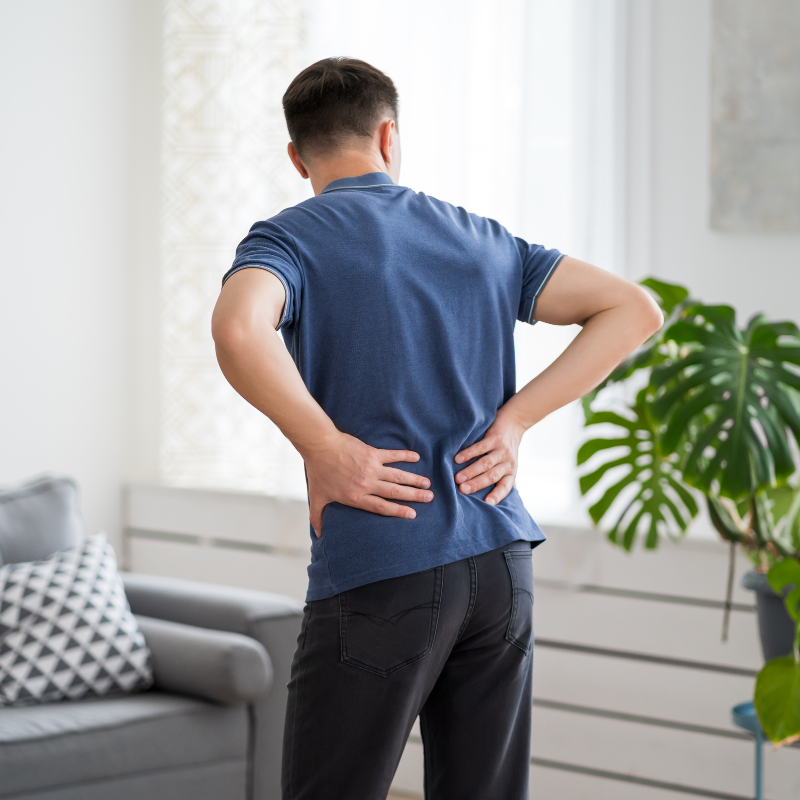
There is often no single identifiable cause for lower back pain, as it is driven by a combination of daily habits like prolonged sitting, poor posture, lack of exercise, stress, and a poor diet. Slouching compresses spinal discs, while inactivity weakens muscles needed for support. Chronic stress increases muscle tension, and nutritional deficiencies slow down tissue repair. This combination causes micro-wear to accumulate faster than the body can heal, triggering joint irritation and muscle pain. A professional assessment helps rule out severe medical conditions and outlines a comprehensive recovery plan.
Evidence shows osteopathy helps manage symptoms, and the National Institute for Health and Care Excellence (NICE) supports manual therapy for low back pain and sciatica. However, guidelines emphasize it works best alongside an active exercise program, education, and self-management advice as part of a complete recovery plan.
Sitting places double the pressure on your lower spinal discs compared to standing. Prolonged sitting starves muscles of oxygenated blood, causing fatigue and stiffness. Meanwhile, hip flexors tighten and glutes deactivate, forcing the lower back joints to absorb excessive physical stress and accumulate painful micro-wear. Changing position regularly, building activity gradually and reviewing your workstation may help. Persistent or worsening pain should be assessed.
For most uncomplicated back pain, gentle activity and a gradual return to normal movement are preferable to prolonged bed rest. Adjust activities to what you can tolerate and seek advice if symptoms are severe or not improving.
Many episodes improve over several weeks, although some last longer or recur. Recovery depends on the cause and individual circumstances. Simple muscle strain can recover in weeks but disc damage can take 6 months or more. Seek assessment if symptoms persist, worsen or interfere significantly with daily life.
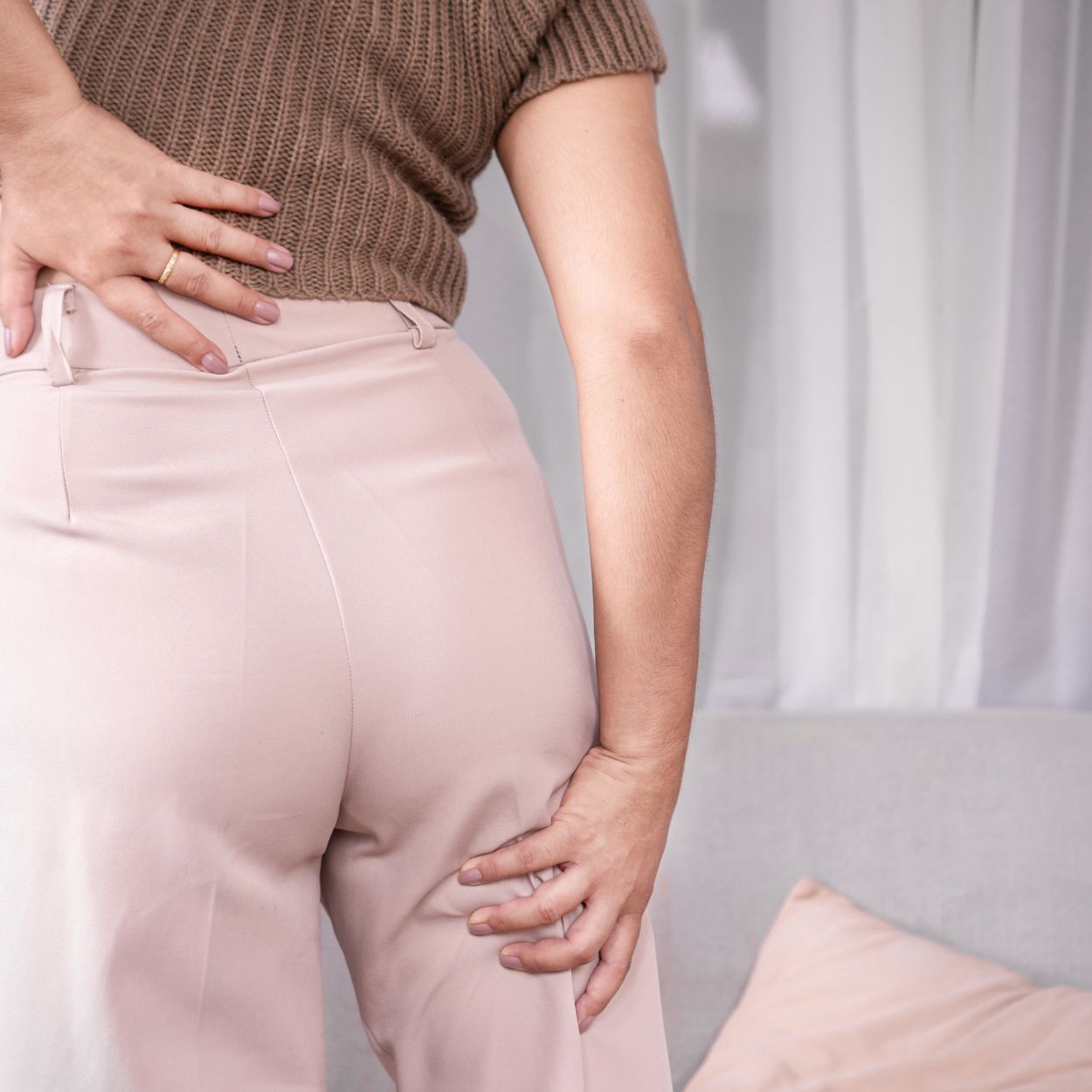
Back pain is discomfort in the back itself. Sciatica describes pain that typically travels from the lower back or buttock into a leg due to irritation of a nerve, sometimes with tingling or numbness. Both can occur together.
A person can have a “slipped” disc with zero pain. Technically, discs cannot slip out of place because they are firmly attached to the spine; instead, they bulge or herniate. These disc changes are incredibly common, normal signs of aging and only hurt if they physically press against a nerve or cause chemical inflammation. Symptoms cannot confirm a disc problem on their own so an assessment is vital to help decide whether further investigation is appropriate.
Hip pain may arise from the hip joint, nearby muscles or tendons, or sometimes be referred from the lower back. Where you feel the pain and what triggers it can help guide assessment.
This pain is typically driven by joint arthritis or referred lower back pain. Walking puts repetitive physical loading on worn hip joints, while lying on your side compresses the inflamed structures. Furthermore, pinched nerves or structural issues in the lower back frequently refer sharp or aching pain down into the hip and buttock area. An examination can help identify likely contributors and suitable next steps.
Yes. Pain from the lower back can sometimes be felt in the buttock or around the hip. Hip conditions can also cause pain in nearby areas, so assessment is useful before deciding on treatment.
Seek emergency care for new bladder or bowel problems, numbness around the genitals or bottom, or severe or progressive leg weakness, especially with back pain. Seek prompt medical advice for fever, significant trauma, unexplained weight loss or other worrying symptoms.
Sciatica
Let’s Talk! Get a Free Telephone Consultation!
Have questions? Get expert advice at no cost—schedule your free call today!