
You've probably noticed that aches and pains can feel worse when life gets stressful. Perhaps your neck becomes tense when you're under pressure at work, or an old back problem starts bothering you again when you're not sleeping well.
If you're already living with persistent pain, you might wonder whether stress is making your symptoms worse. The answer is that it certainly can, although the relationship between stress and chronic pain is more complicated than it might first appear.
At Eltham Osteopathy Clinic, we believe that understanding the different factors influencing your pain is an important part of finding ways to manage it.
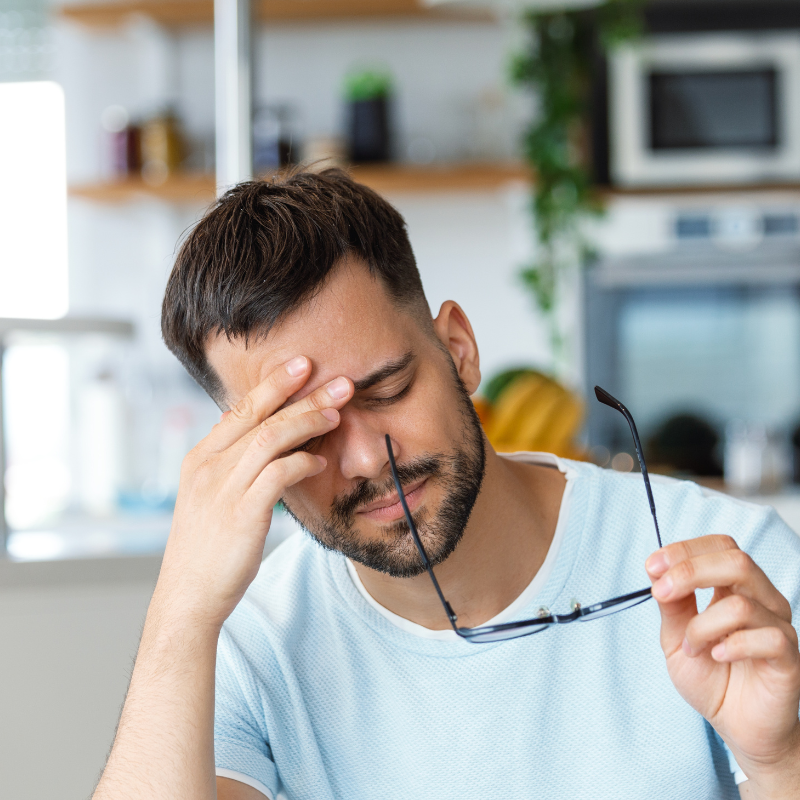
How are stress and chronic pain connected?
Pain isn't simply a message travelling from an injured part of your body to your brain. It's a complex experience involving your nervous system, your physical health and the way your brain interprets signals from your body. Stress can influence this process, sometimes making existing discomfort feel more intense.
When you're under pressure, your body responds by becoming more alert. Your heart rate may increase, your muscles might tense and your nervous system prepares you to deal with whatever is happening. This is a normal response that helps us react to challenging situations.
Difficulties can arise when stress continues for weeks or months without much opportunity to recover. Prolonged stress can affect sleep, muscle tension, mood and the way your nervous system processes pain, all of which may influence how you experience ongoing discomfort.
In fact, the National Institute for Health and Care Excellence (NICE) recommends considering factors such as sleep, stressful life events and psychological wellbeing when assessing chronic pain. These aren't separate from your physical health; they're part of understanding the full picture.
Does stress actually cause physical pain?
Stress can contribute to physical symptoms, including muscle tension, headaches and discomfort around the neck, shoulders and back.
Think about what happens when you're concentrating on something difficult or dealing with a demanding day. You might find yourself clenching your jaw, raising your shoulders or sitting in the same position for hours without noticing. By the time you finish work, you're uncomfortable.
For someone who already experiences back pain, neck pain or another ongoing condition, those additional physical demands can sometimes aggravate existing symptoms.

It's important, however, to distinguish between stress contributing to pain and stress being its sole cause. Persistent pain can involve a combination of physical, neurological, psychological and social factors. Sometimes there's a clear underlying medical condition; in other cases, the reasons are less straightforward.
This is why we look at the whole person rather than assuming every painful symptom has one simple explanation.
Why can pain feel worse when you're stressed?
There are several ways stress can influence your experience of pain, and they often overlap.
Your nervous system may become more sensitive
Your nervous system plays a central role in how you experience pain. When symptoms have continued for a long time, it can sometimes become more sensitive to signals from the body, a process known as sensitisation.
Stress may contribute to that sensitivity, meaning activities or sensations that were previously manageable can become more uncomfortable. You might notice that your usual back pain feels worse during a particularly demanding week, even though you haven't done anything physically different.
This doesn't happen to everyone with chronic pain, and it isn't something you can simply switch off by relaxing. Understanding that pain sensitivity can change may, however, help explain why symptoms fluctuate without an obvious new injury.
Stress can interfere with sleep
If you've ever spent a night worrying about something, you'll know how difficult it can be to switch off. For people living with persistent pain, disturbed sleep can make an already difficult situation even more challenging.
There's substantial research showing a connection between sleep problems and chronic pain. A 2024 systematic review and meta-analysis published in PAIN examined research involving more than 116,000 participants and found that people experiencing sleep problems had a greater likelihood of developing chronic musculoskeletal pain.
The research doesn't mean that poor sleep inevitably causes chronic pain, but it highlights why sleep deserves attention when managing ongoing symptoms.
Pain itself can also make it harder to fall asleep or stay asleep, leaving you tired and less able to cope with discomfort the following day. Over time, disturbed sleep, fatigue and persistent pain can become difficult to separate.
You might move differently
When you're stressed, tired or in pain, it's common to become less active. You may stop exercising, spend more time sitting or avoid movements you're worried will aggravate your symptoms. Over time, reduced activity can affect your strength, fitness and confidence.
The opposite can happen, too. You might push through a demanding week without taking proper breaks, only to experience a flare-up when you finally have time to rest.
Recognising these patterns in your own routine can be useful. It may help you understand why certain weeks are more difficult than others, even when there hasn't been an obvious change in your underlying condition.

Can chronic pain also cause stress?
Absolutely, and this side of the relationship doesn't always receive enough attention.
Living with persistent pain can be exhausting. You might worry about whether you'll be able to work comfortably, enjoy a family outing or get through the night without waking up. Even making plans can become difficult when you don't know how you'll feel from one day to the next.
Over time, that uncertainty can affect your confidence, relationships and general wellbeing. It's understandable that ongoing pain might leave you feeling frustrated, anxious or worn down.
The relationship can therefore work both ways. Stress may make pain harder to manage, while living with pain can create additional stress.
Recognising this isn't about blaming your symptoms on stress or suggesting that pain is somehow psychological. It simply acknowledges that physical symptoms and emotional wellbeing can influence one another, particularly when pain has been present for a long time.
For more information about managing ongoing back problems, take a look at our guide to long-term spinal health.

What can you do if stress is making your pain worse?
You can't always remove the things causing stress in your life, and managing chronic pain isn't as simple as telling yourself to relax. There are, however, practical approaches that may help you feel more comfortable and better able to manage your symptoms.
Find manageable ways to stay active
Gentle movement, walking, swimming or other activities you enjoy can support both physical and mental wellbeing. If you've been less active for a while, start at a level that feels manageable and gradually build up rather than trying to return to your previous routine all at once.
Pace your activities
On a good day, it can be tempting to catch up on everything you've missed. Alternating between doing too much and then needing prolonged rest can make symptoms harder to manage, so try spreading physically demanding activities across the week.
Pay attention to your sleep routine
Keeping reasonably consistent sleeping and waking times, reducing distractions before bed and allowing yourself time to wind down may help. If pain regularly disrupts your sleep, it's worth discussing this with a healthcare professional rather than simply putting up with it.
Find ways to manage tension and stress
Some people find breathing exercises, mindfulness, yoga or making time for enjoyable activities helpful. There's no single technique that works for everyone, and what helps one person may not suit another.
Consider additional support
If it's affecting your wellbeing, persistent pain can take an emotional toll. Psychological approaches may be useful as part of a broader management plan.

A Cochrane review of 75 studies involving 9,401 people found that cognitive behavioural therapy (CBT) can provide small improvements in pain and distress for some people living with chronic pain. This doesn't mean pain is imagined or that talking therapies are a substitute for appropriate physical healthcare. Rather, it shows that learning different ways to manage the challenges associated with persistent pain can be helpful.
If pain is having a significant effect on your mood, sleep or everyday life, your GP can help you explore what additional support may be available.

How can osteopathy help when stress and pain overlap?
At Eltham Osteopathy Clinic, we recognise that two people experiencing similar pain may have very different things contributing to their symptoms.
Someone with a physically demanding job and recurring back pain may need a different approach from someone experiencing persistent neck discomfort alongside poor sleep and a stressful period at work. Understanding those circumstances helps us consider what treatment or advice might be appropriate.
During your appointment, we'll discuss your symptoms, medical history and how the pain is affecting your everyday activities. We'll also carry out an appropriate physical assessment to identify musculoskeletal factors that may be contributing to your discomfort.
Depending on what we find, treatment might involve hands-on osteopathic techniques, advice about movement and activity, or exercises to support strength and mobility. We'll explain our findings and discuss whether osteopathic treatment is suitable, including whether further medical assessment or support from another healthcare professional may be helpful.
Osteopathy isn't a treatment for stress itself, and hands-on treatment alone won't necessarily address every factor involved in chronic pain. Our role is to help you understand the musculoskeletal aspects of your symptoms and explore practical ways to manage them as part of your wider healthcare.
If ongoing back discomfort is part of what you're experiencing, you can find out more about our back and hip pain treatment services.
When should you seek professional help?
If pain has continued for several months, is becoming more difficult to manage or is affecting your sleep, work or everyday activities, it's worth seeking professional advice.
You should also speak with your GP if stress, anxiety or low mood are having a significant effect on your wellbeing.
New, unexplained or worsening symptoms shouldn't automatically be attributed to stress, even if you're going through a particularly difficult period. They may need medical assessment to identify or rule out other causes.


Understanding your pain is a good place to start
When you're living with chronic pain, being told to 'just relax' is rarely helpful. The relationship between physical symptoms, the nervous system, sleep and stress is more complicated than that, and understanding these connections can help you make more informed decisions about managing your health.
At Eltham Osteopathy Clinic, we take the time to understand your symptoms and how they're affecting your life before discussing what treatment or advice may be appropriate.
If persistent pain is making everyday activities more difficult, we're here to help you explore your options.